
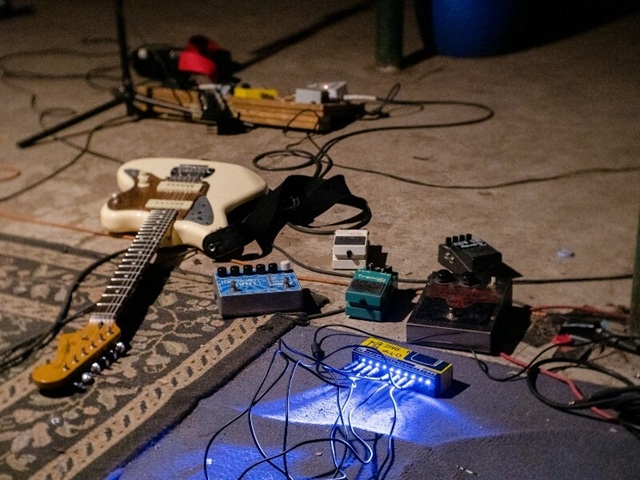
Creating a home rehearsal studio can be a game-changer for your musical progression. It provides a dedicated space where you can let your creativity flow freely, without constant interruption from family members or that all-too-present neighbor. Here, you can also record without the pressure of costly rental studio time.
With the right setup, you can elevate your sound by experimenting with new ideas and refining your skills, all while enjoying home comforts and conveniences. Consider these tips to create the perfect rehearsal studio.
Consider the prime locations for your home studio and weigh the pros and cons of each. The most viable alternatives normally include bedrooms, basements and garages. Bedrooms are often popular for singer-songwriters and solo artists as they’re intimate settings for practicing and recording vocals. However, their many reflective surfaces can make them sound acoustically boxed in, meaning you’ll have to pay close attention to your reflection control.
Basements are ideal band rehearsal rooms, but they can exaggerate low-end frequencies, requiring careful planning. Garages can accommodate full band practice and recordings, yet they can pose acoustic challenges due to their loud and reflective natures. Regardless of the space you choose, understanding and managing the specific acoustic behaviors is essential for success. No matter where you practice and record, it’s all about the sound you produce.
For any room in your home, you’ll have to put in some serious preparation hours to create the optimal studio space. Imagine you decide on the garage as the ideal location for your home studio. Like any room, preparing the space will require some decluttering to reclaim it for your musical needs. Decluttering your garage is a project in itself, allowing you to envision a functional, creative environment.
To tackle this task effectively, take practical steps to sort, clean and organize the garage to lay the groundwork for a productive rehearsal space. Start by removing grease, oil and rust from the floors by using natural cleaners, laundry soap, hot water and a nylon brush. Next, arrange existing items into neatly positioned storage containers. With some time and effort, you can free up the space for a home studio.
Soundproofing blocks noise from entering or leaving the room, while acoustic treatment manages sound within the space itself. For effective and budget-friendly soundproofing, seal gaps around entrances and windows to minimize outside noise penetration.
Adding a second layer of drywall can significantly reduce sound leakage. Additionally, using heavy blankets or moving pads on walls can further dampen sound, creating a more focused and intimate studio environment.
Part of the soundproofing routine involves considering your acoustics to create a well-balanced rehearsal space. This treatment minimizes echo, reverb and standing waves that can muddle your sound quality. To effectively absorb sound, consider building your own acoustic panels using fabric-covered boards or foam.
Strategically placing bookshelves, adding extra furniture and laying mats can effectively help reduce sound to create a more controlled acoustic environment. These elements can contribute to your creation of a clearer and more defined audio during rehearsals, sweetening your overall musical experience.
A pivotal part of your home rehearsal studio is ensuring you include all the core equipment necessary for a smooth-flowing rehearsal or recording process. Some essential items include a quality microphone, audio interface, headphones and a reliable digital audio workstation.
Depending on your musical style, consider adding a mixer and a keyboard, along with other technological tools to support your creative process. Choosing the right gear for your unique needs can ensure you’re well-equipped to advance your musical pursuits.
You’ll need more power in a rehearsal studio filled with gear than in a typical room. Use a dedicated power conditioner and high-quality surge protectors to safeguard against voltage spikes. Be aware of the home electrical hazards that can lead to accidents or damage.
If your setup requires more complex electrical needs, consult an electrician to ensure it is safely wired and has the capacity to handle your rehearsal studio’s demands. This protects you and your equipment.
Creating a home rehearsal studio allows you to practice and record whenever inspiration strikes. Take your time to set up a space that reflects your personality and style, and make your music a truly personal experience.
The post 6 Essential Tips for Creating the Perfect Rehearsal Studio at Home appeared first on Obscure Sound: Indie Music Blog.