In partnership with Universal Pictures UK
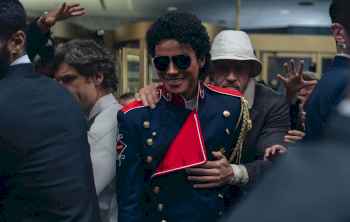
After Jaafar Jackson was cast in Michael, he locked in even harder. He even began sleeping and rehearsing in his uncle’s old bedroom at Hayvenhurst, the Jackson family compound in Encino, California. “I was fortunate to have access to some of Michael‘s personal writings, which allowed me to get even closer to him,” Jaafar recalls. “I created a research room with every inch of the wall filled with quotes of his mantras, his personal handwritings, facts of things that he achieved and a complete timeline of what was going on in the world at different points in his life.” In Jaafar’s eyes, these documents and milestones were “all so much a part of him and what he created”.
In the film, we see Jaafar’s Michael drawing inspiration from Fred Astaire’s pinpoint precision as he hones his own dance moves. As a child and young adult, Michael was also enraptured by performers as varied as Little Richard, Diana Ross, Sammy Davis Jr., Gene Kelly and James Brown. During his address at Brown’s funeral in 2006, Michael hailed the Godfather Of Soul as his “greatest inspiration”, telling fellow mourners: “When I saw him move, I was mesmerised. I knew that’s what I wanted to do with the rest of my life.”
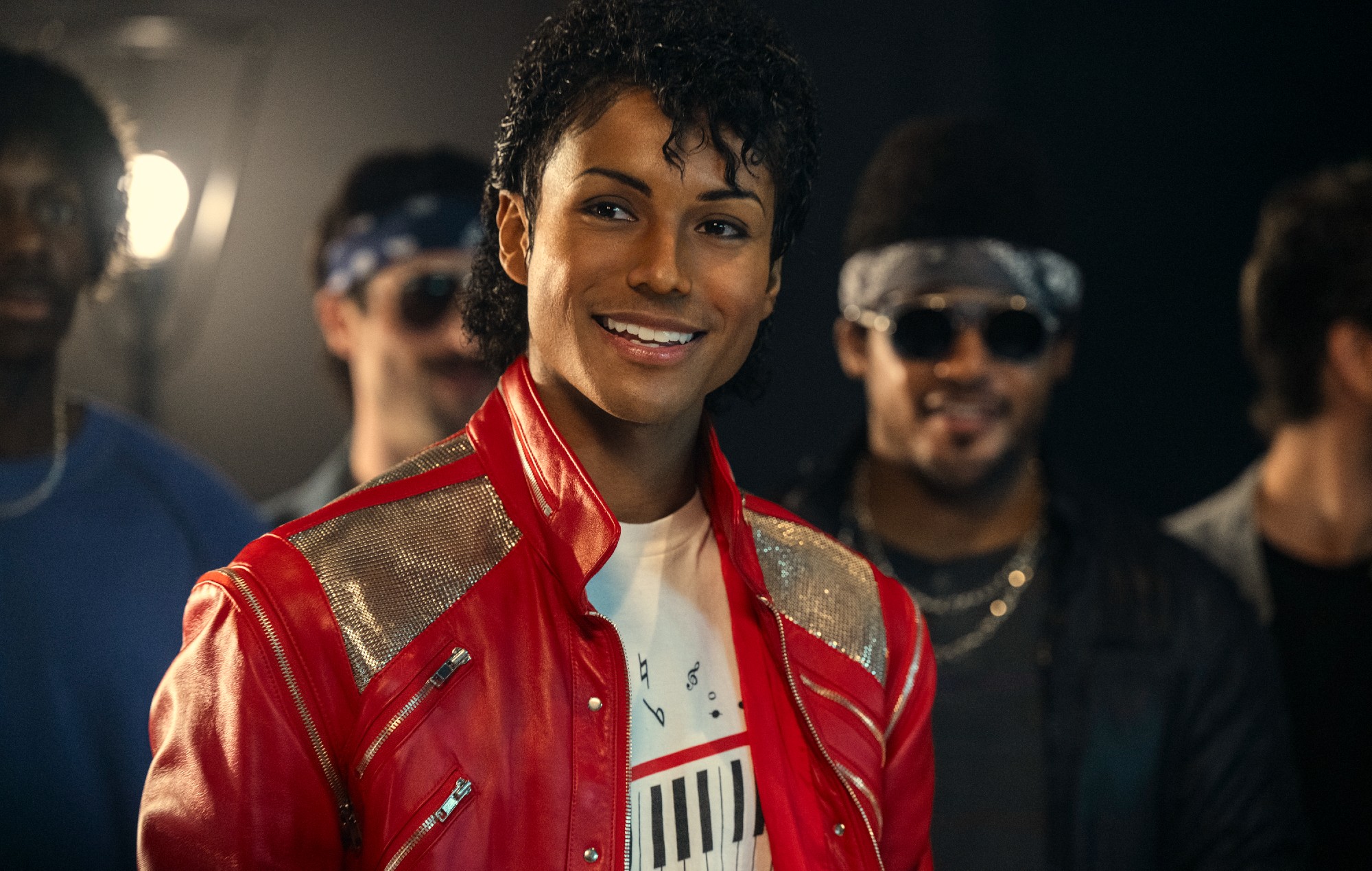
Michael was a student of music history who believed in learning from the best, so Jaafar followed his lead as he prepared for this highly complex role. “Michael was always watching artists who inspired him, analysing their work to understand what made them great – and incorporating those qualities into his own,” Jaafar says. “I used the same process with him that he did with others. In addition to all the training, I was watching tons of interviews and private home videos, soaking up the nuances, the mannerisms and, most of all, the human.”
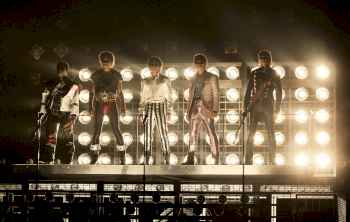
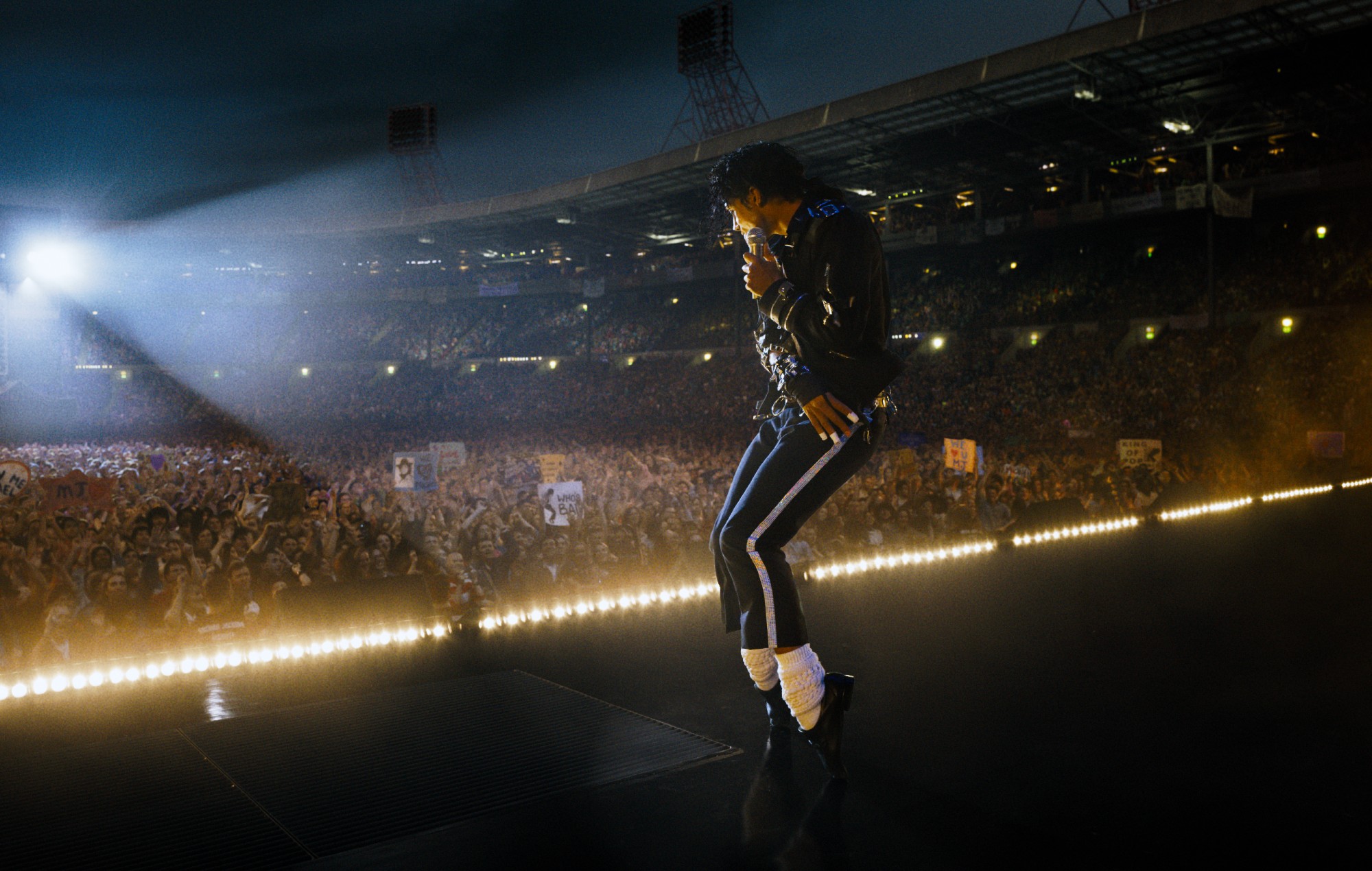
Jaafar’s exceptional attention to detail also proved crucial when he came to recreate his uncle’s innovative moves, a gravity-defying blend of street dance, jazz, ballet and mime. Many of his classic performances remain etched into the brains of M.J. fans to this day. Throughout, Jaafar worked closely with the seasoned choreography team Rich + Tone Talauega, who first danced with Michael on 1996’s ‘HIStory World Tour’. “Early on, Rich + Tone told me they weren’t sure they could get Jaafar where he needed to be because Michael’s moves were so inimitable,” the film’s producer Graham King says. “But when I told Jaafar that, he said, ‘Please just give me time.’ And that’s what we did.”
Getting the choreography spot on was quite literally a painstaking process. “I started to rehearse for hours upon hours upon hours until one single move was right – dancing until my feet would bleed or have them go numb,” Jaafar says. “There were so many times I would wake up sore [and ask myself], like, should I go rehearse?” When Jaafar doubted his ability to continue, he thought of what his uncle would say in the same situation: “Let’s go again!”
Though he drilled into Michael’s dynamic performing style on a micro level, Jaafar was acutely aware that he couldn’t take a compartmentalised approach to portraying the King Of Pop. Every aspect of his artistry and personality had to exist in tandem, just as it did when Michael was topping the charts in the ’70s and ’80s. “I wanted to set goals for myself – to nail the mannerisms, the vocal or just his essence and how he goes about [things] in a conversational way,” Jaafar said during his recent appearance on The Today Show. “But I also wanted to make sure I had everything in a balanced way. Like, I didn’t want the dancing to outdo the acting, or the acting to outdo the dancing. I wanted to really embody [him] completely, and do it in a way where it feels natural.”
Throughout his intense preparation period, Jaafar kept in mind that his uncle was a true musical pioneer who blended elements of soul, rock, funk and disco into fluid new pop sounds that people had never heard before. As we see in the film, Michael and his team lobbied hard for his music videos to be played on MTV, which was initially reluctant to give airtime to black artists. With ’80s videos like ‘Billie Jean’ and ‘Beat It’, Michael broke down barriers by becoming the first black artist to claim heavy rotation on the network.
“Michael would always say that he wanted his music to be universal, to be for everyone,” Jaafar says. “That seems to have been his vision from the beginning, to bring people together through music. He didn’t want corporations to define what music you should listen to. He fought hard for that and opened up new paths for all the artists to come.” As Jaafar discovered during his many months of research and rehearsal, it takes a lot of work to be a trailblazer – and a lot of work to portray one.
‘Michael’ is in cinemas now
The post Becoming Michael: how Jaafar Jackson trained to portray his uncle appeared first on NME.