

As K-pop's
global influence continues to grow, few people have a clearer view of the
industry's touring evolution than Jameson Lee. Serving as Head of the Global
Business Division (ContentsX) at Fluxus Inc., Lee oversees international
partnerships, global business development, and strategic initiatives that help
bring Korean artists to audiences around the world. He has worked with many artists such as OH MY GIRL, ONEUS, KARD, PURPLE KISS, CNBLUE, P1Harmony, AMPERS&ONE and is currently leading the
international touring strategy for MAMAMOO's highly anticipated world tour,
which follows the group's first full-group album release in more than three and
a half years.
While MAMAMOO's
long-awaited reunion is generating excitement among fans worldwide, Lee's
perspective extends far beyond a single tour. During a conversation with KpopWise, he
shared insights into the rapid expansion of K-pop touring and live events, and the factors that determine how artists grow in competitive markets like North America. Lee
offered a behind-the-scenes look at how the next generation of K-pop tours is
being built.
As K-pop
continues its rapid expansion across North America, touring executives are
finding themselves navigating a market that looks dramatically different from
even a few years ago. While album sales and streaming numbers are indeed important
indicators of an artist's popularity, they are no longer the primary factors
driving touring decisions.
Lee explains that an artist's touring potential is evaluated through a broader lens, including fan engagement, geographic audience distribution, and the overall maturity of local markets. As K-pop becomes more established across the United States, determining whether an artist can successfully fill a theater, arena, or stadium requires a deeper understanding of fan behavior and market conditions than ever before.
The upcoming
MAMAMOO tour offers a compelling example of how those calculations have
evolved. After several years focused on individual activities, all four members
return with stronger personal brands, expanded artistic identities, and
dedicated fanbases built through their solo careers. Rather than competing with
the group's legacy, those individual successes create new opportunities for the
tour's creative direction. Lee laminates that fans will have the chance to experience how each
member has grown as an artist while also rediscovering the chemistry and
performance dynamic that made MAMAMOO one of K-pop's most respected vocal
groups.

From a touring
perspective, the North American market has become significantly more
sophisticated. Fans today have far more opportunities to see Korean artists
than they did during the early waves of K-pop expansion. As a result, promoters
must think beyond simply bringing an artist overseas. Every tour now competes
for attention in a general crowded entertainment landscape where fans have numerous
options throughout the year.
That growing competition has coincided with rising production and transportation costs. International touring has become considerably more expensive, forcing organizers to carefully balance financial realities with fan expectations. Lee explains that rather than viewing ticket prices strictly through a revenue lens, successful tours increasingly prioritize the overall concert experience for the fans.
Production value,
VIP offerings, venue selection, and fan engagement opportunities have become
critical considerations when designing a tour that feels worthwhile for
audiences and making lasting memories. K-pop artists stand out in the way they work hard to provide engagements. (It can not be easy to take hundreds of one-on-one photos with fans before or after a concert, but they do it with dedication.)
Many of the
challenges involved in bringing a K-pop tour to North America remain largely
invisible to fans. International tours require coordination between multiple
countries, languages, production vendors, local promoters, and artist
management teams. Each region also comes with unique expectations and cultural
differences. Success often depends on how effectively everyone involved
communicates and aligns around shared goals while remaining adaptable to local
conditions.
Those lessons
extend well beyond North America. One of the biggest takeaways from
international touring has been the importance of understanding the culture of
every market a tour visits. While certain elements of K-pop appeal globally,
audiences in different regions often respond to events in distinct ways.
Recognizing those differences helps create experiences that feel authentic
rather than simply replicating the same show in every country. A good example of a little goes a long way is the audience teaching the artist how to say phrases in their own language.
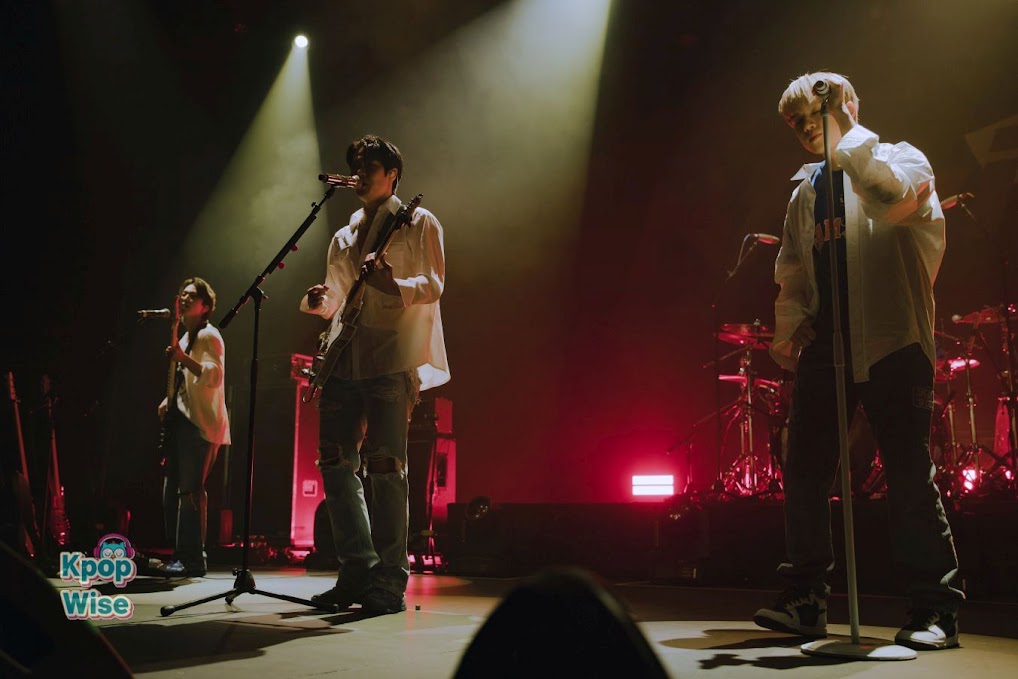
The contrast between idol groups and live-band acts also highlights the diversity of today's touring landscape. Aside from K-pop dance groups, Jameson has experience with bands such as N.Flying. Looking back on projects such as N.Flying's world tour, live bands bring a different type of energy to the stage. While choreography-focused idol performances a great at providing visual spectacles and synchronized production, bands have their own benefit of creating organic atmospheres spontaneity that can resonate strongly with international audiences.
As promoters
continue to expand K-pop's footprint, attention is increasingly turning toward
underserved markets. While major cities such as Los Angeles, New York, Atlanta,
and Chicago remain essential stops, there is growing interest in exploring
destinations that have historically received fewer opportunities. Lee mused that artists have interest in largely untapped locations
such as Hawaii and Alaska. We suggested Puerto Rico, and other parts of Central America have
demonstrated surprising levels of fan engagement and should be considered for a larger role in
future touring strategies.
Looking ahead, the next five years of K-pop touring in North America are expected to bring larger productions, more frequent tours, and continued market expansion into cities that didn't typically get K-pop concerts and events before. As artists become increasingly comfortable performing internationally and audiences continue to grow, the scale of K-pop concerts is likely to reach new heights.
In many ways,
MAMAMOO's reunion tour arrives at the perfect moment. The group returns not
only as veteran performers with a proven track record, but as artists whose
individual journeys have strengthened the collective identity of the group.
Their comeback tour reflects the broader evolution of K-pop touring
itself— more sophisticated, and increasingly focused on delivering
meaningful experiences for fans around the world.
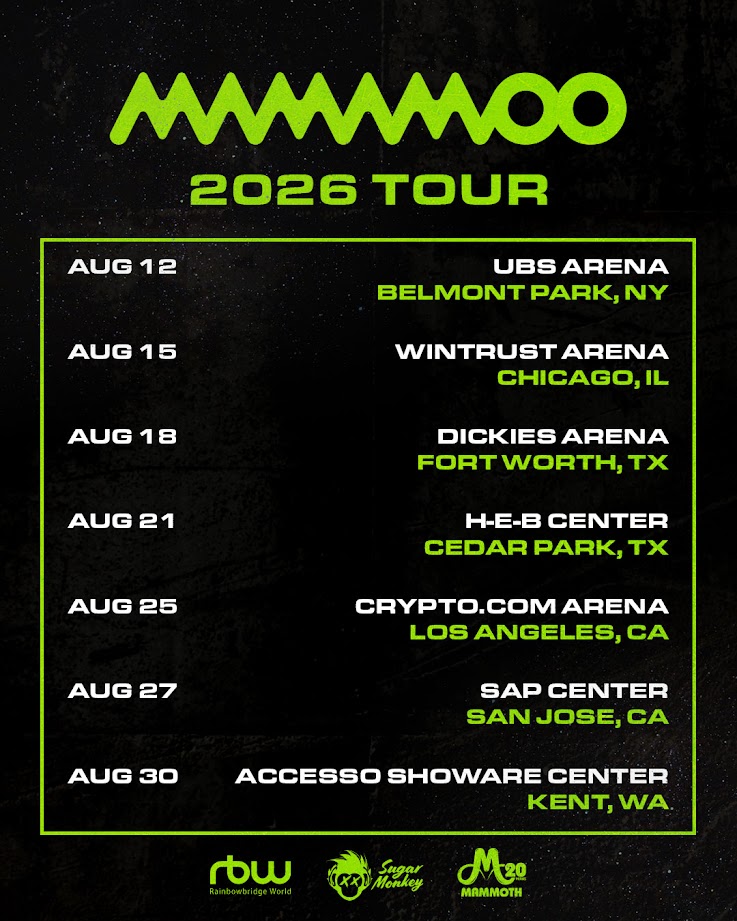
Visit
Mamamoo2026US.com for tickets in your area.