
 |
| All images Courtesy of Well Go USA Entertainment |
In an industry where high-budget films with A-list casts, dependent on mere spectacle, IP-heavy storylines, and overindulgent promotional campaigns, dominate and flood the movie scene, “Dear You” manages to emerge victoriously as a refreshing and evocative tale. And it does so, both at the box office and in the hearts of an audience that is becoming more and more weary of the trite, three-act-structure banalities of contemporary (and ironically stale) storytelling. So, how did a low-budget Chaoshan-dialect film with a no-big-name director and a largely non-professional cast become such a great hit? The answer not only unveils the secrets of successful filmmaking, but also gives us an insight into what modern audiences truly crave from the film industry. Hint: earnest and resonant stories.
“Dear You” follows debt-ridden Xiaowei (Zheng Runqi) who travels to Thailand in hopes of finding his grandfather, an alleged billionaire believed to have abandoned his family and remarried. Xiaowei counts on his grandfather, Zheng Musheng (Wang Yantong), to help him pay off his debt, only to find out a shattering secret about the man who spent years sending qiaopi letters and remittances to his estranged family.
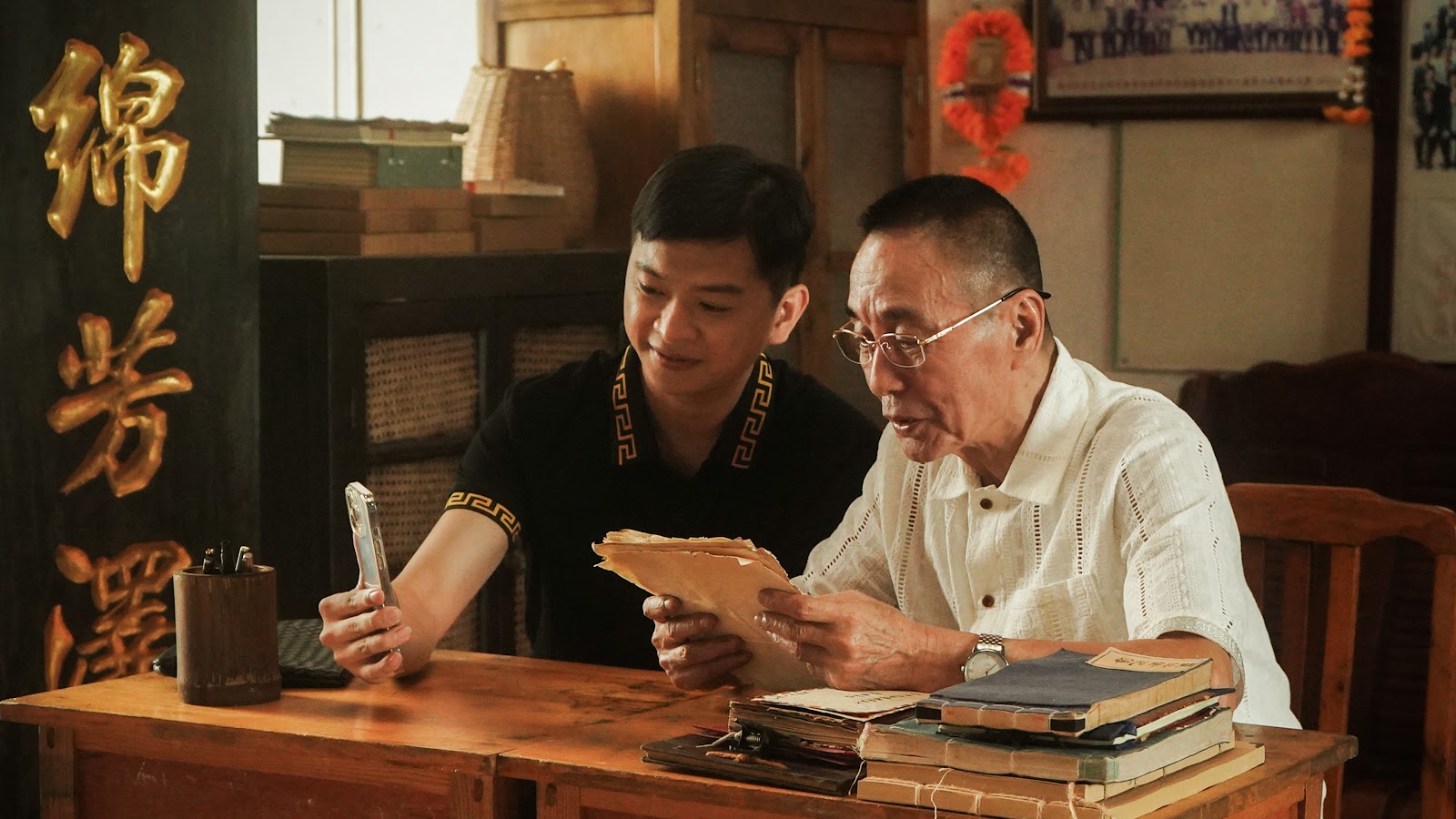
The film takes place both in modern-day China, where Zheng Musheng’s wife, Ye Shurou (Wu Shaoqing), lives a peaceful life in Shantou as a mother of three and a grandmother, and in Bangkok's Chinatown and the Chaoshan region of the 1950s, spanning almost half a century and narrating the tales of Musheng, who had fled to the Nanyang region (Southeast Asia) to avoid forced conscription during the Civil War.
In contrast with similar cinematic genres that choose to foreground either the struggles of life in the highlands or highlight the industrial decline of the 1990s, “Dear You” focuses on Xia Nanyang (下南洋) or what is referred to as the century-long, large-scale migration of Chinese people to Southeast Asia (Thailand, Singapore, Malaysia, Vietnam, and elsewhere) from the mid-19th century, due to famine, war, and poverty.
The film is almost entirely in Teochew, a dialect spoken in the Chaoshan region of eastern Guangdong. Director Lan Hongchun, a Chaoshan native, who also co-wrote the script alongside Yang Leng, Zhu Liyun, and Zheng Xuanxuan, this time deliberately turns his attention to the generation of Ye Shurou’s character, making “Dear You” the third Teochew-language project he has directed, following “Proud of Me” and “Back to Love”.
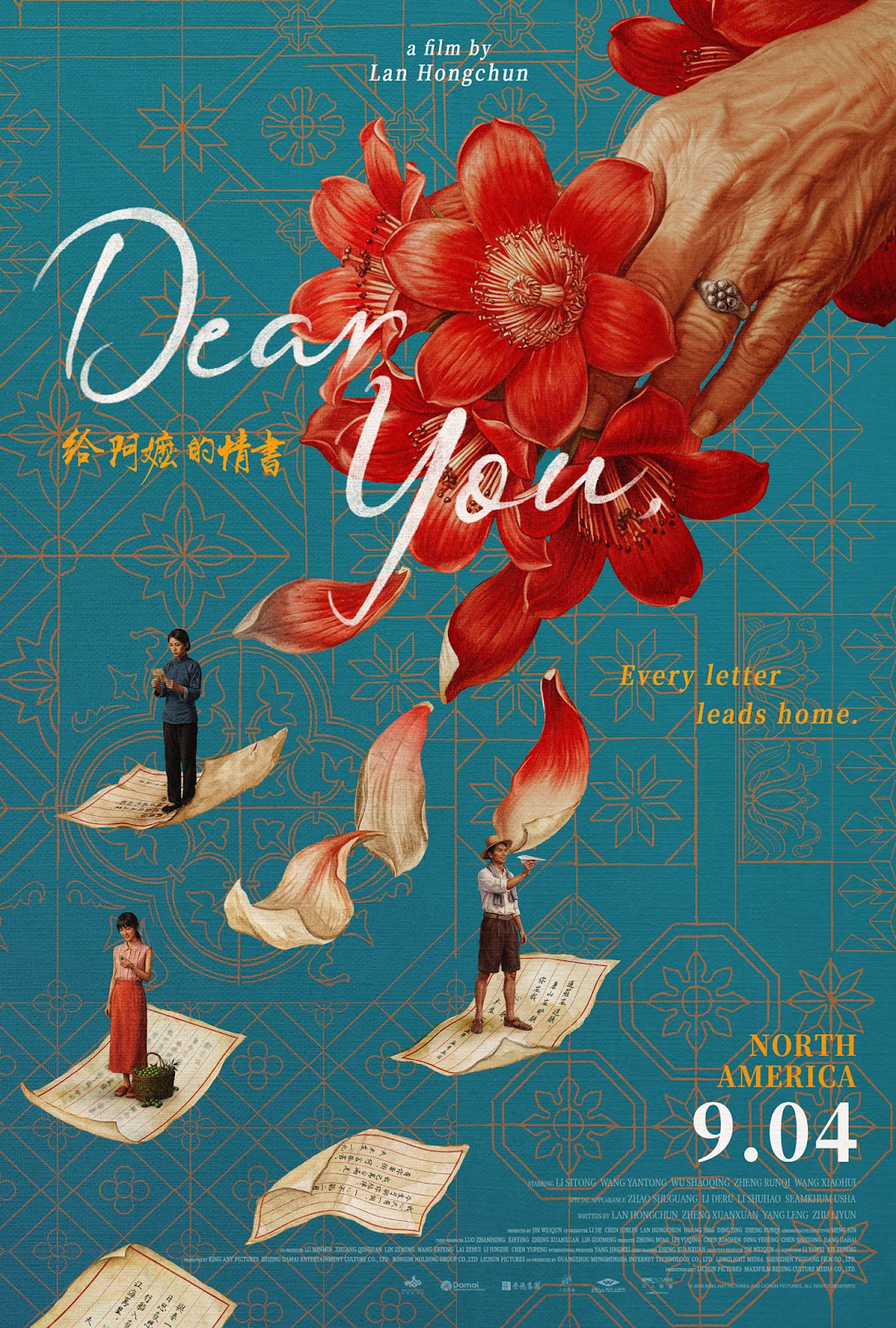
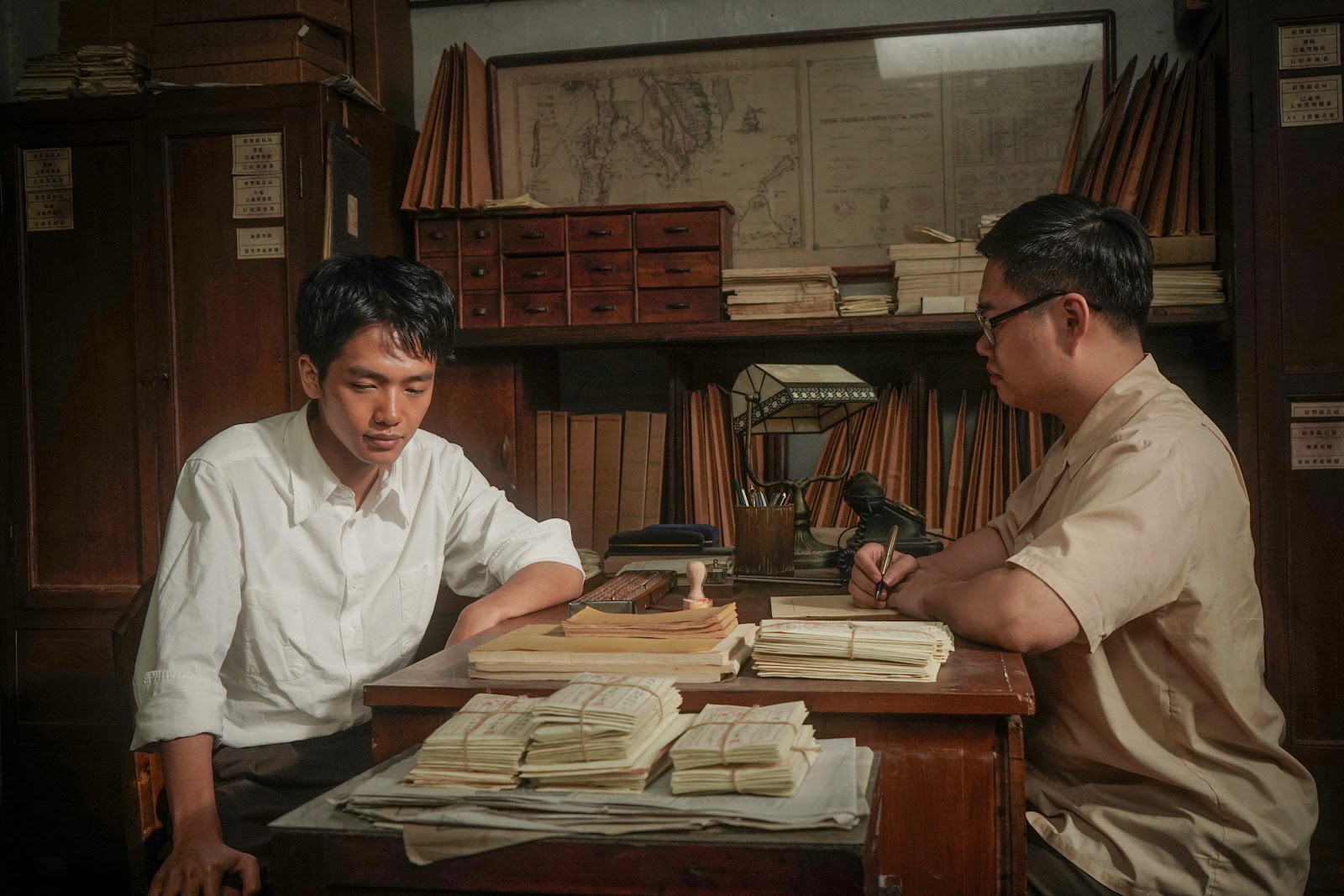
“Dear You” also employs qiaopi (侨批), specifically Teochew letters, as the delicate yet strong thread that binds time, place, and all the pieces of the story together. Consisting of a letter and money sent by overseas Chinese to their families back in China, qiaopi is now part of the Asia-Pacific Memory of the World Register, as well as the International Memory of the World Register. Director Lan incorporates this historically and culturally significant element in “Dear You” to underline its crucial role in the preservation of culture and language, detailing the struggles of the Chinese diaspora and the endurance of a heritage that would otherwise go unnoticed by the general public.
It would be a shame to spoil the decade-long secret of Zheng Musheng, despite the fact that it’s already circulating everywhere online. It's not the secret itself that matters, but what its revelation entails. For this exact reason, you will have to witness it for yourself. One thing is for sure: Dear You’s timeline of events breaks the mold not only in terms of the stereotypical chronological order of cinematic conventions, but also in terms of pacing and establishing a concrete genre for itself.
The beginning of the film promises a fast-paced and light-hearted comedy, with Xiaowei and his nearly impossible quest to find his grandfather at its center. However, as the story advances, the film's attention shifts over to the life and identity of the mysterious Thai-Chinese character Xie Nanzhi (Li Sitong), who is rumoured to be Zheng Musheng's second wife, alongside the turbulent life of the latter. At the same time, we follow the hardships of a young Ye Shurou (Wang Xiaohui), who patiently awaits her husband's return while striving to raise their children and take care of their household, with nothing but his qiaopi letters to comfort her and give her hope of a reunion. This gradual change in tone allows for a more slow and serene exploration of the mystery that shrouds these characters, leaving room for attachment and natural immersion.
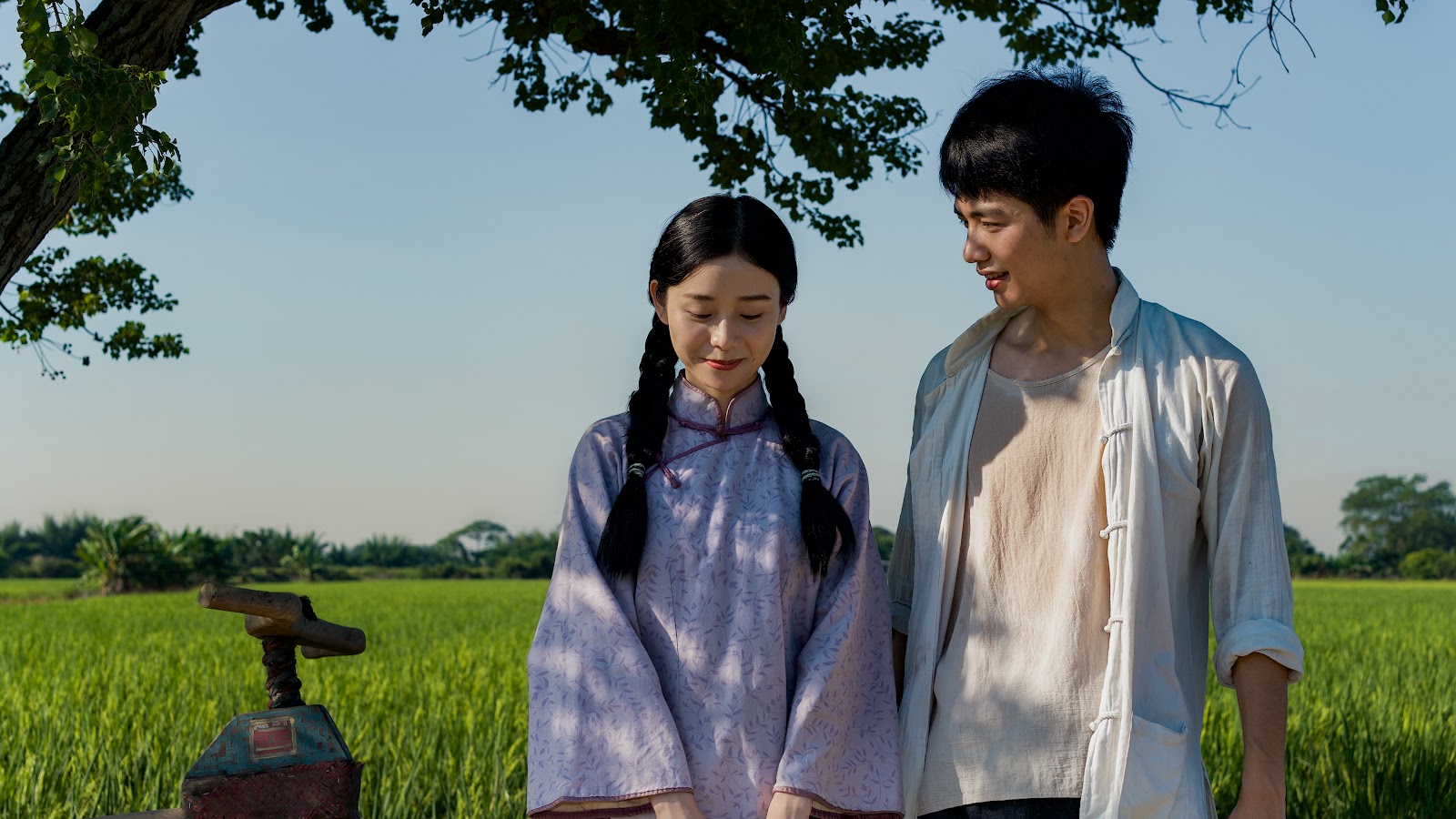
It is the brilliant performance of Li Sitong as young Xie Nanzhi, however, that establishes the melancholic and nostalgic atmosphere of the film. While Dear You's main supporting cast includes several local influencers from Chaoshan, (among them also Zheng Runqi as Xiaowei), the production team made use of the MBTI personality assessment as a reference during casting and conducted interviews with over 1,000 individuals before casting Li Sitong for the role of Xie Nanzhi, Wang Yantong as Zheng Musheng, and Wang Xiaohui as Ye Shurou. The result is three extraordinary performances that reflect the hardships of the Chinese diaspora and the complexity of these individuals, longing for connection and mutual support.
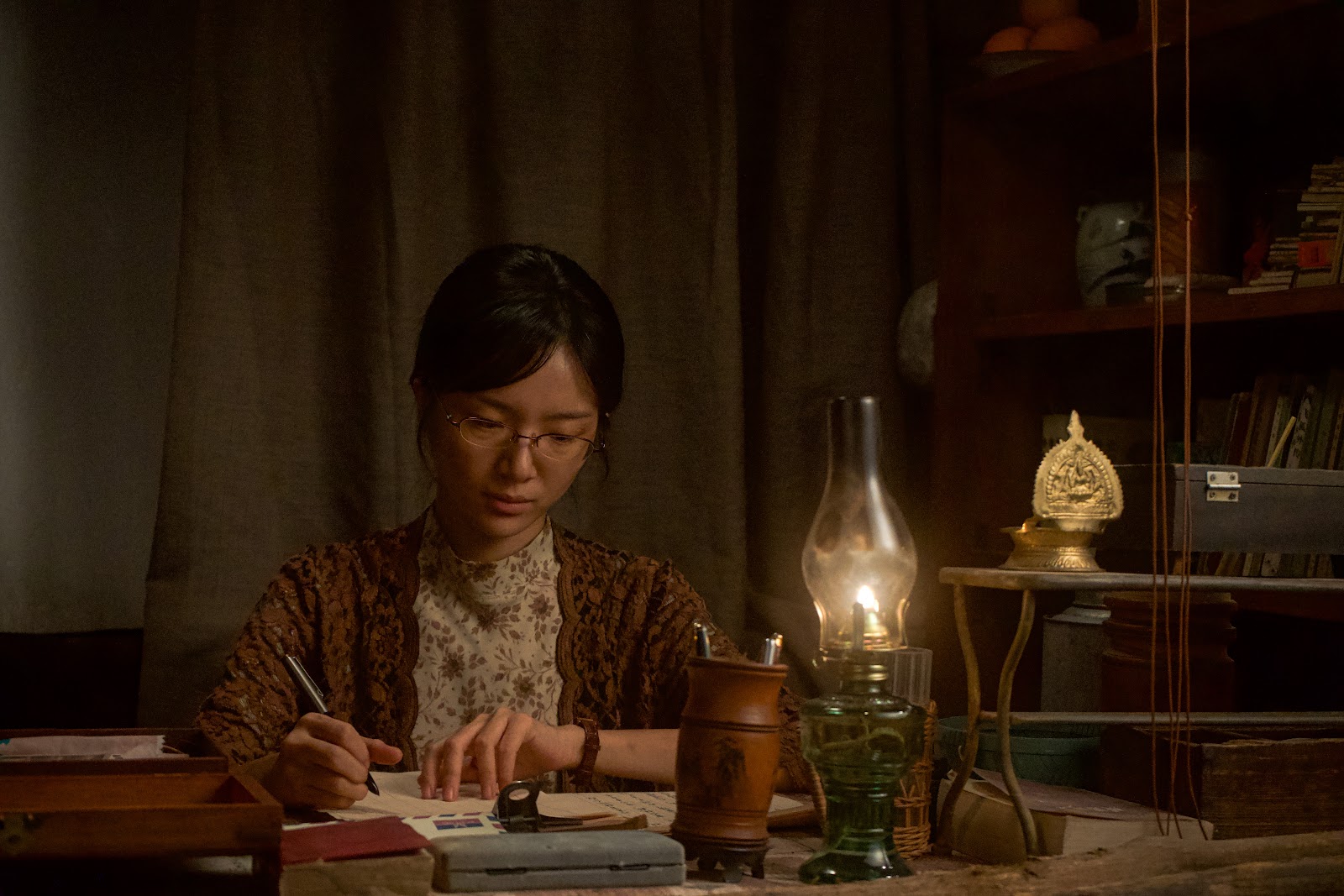
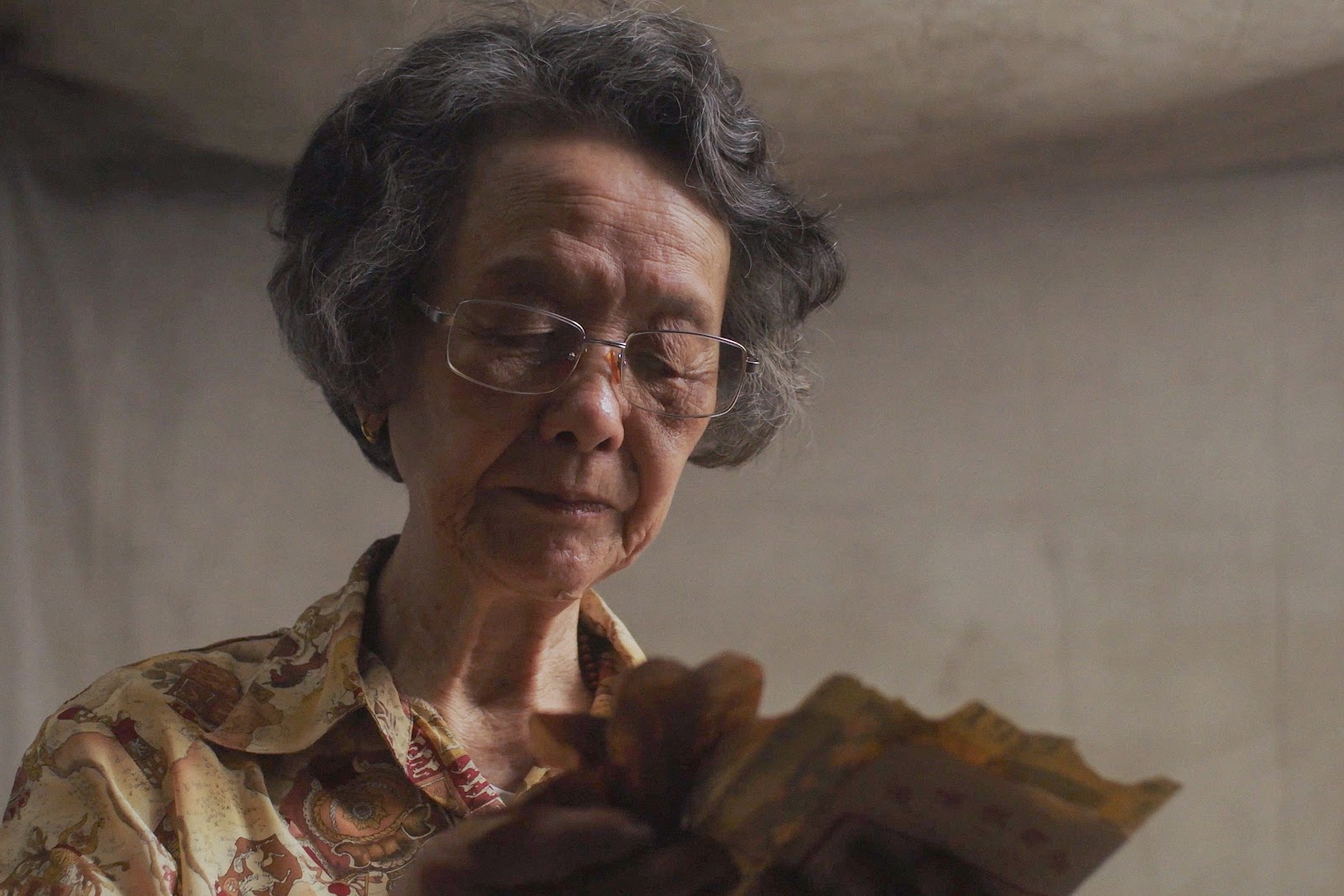
On top of that, Wu Shaoqing and Usha Seamkhum – the latter arguably being one of the biggest additions to the cast, recognized for her role in “How To Make Millions Before Grandma Dies” – as elderly Shurou and elderly Nanzhi, respectively, really bring it home. According to Usha Seamkhum, who speaks neither Mandarin nor Teochew, she relied on body language to convey her character's emotions, and it's nearly impossible not to cry as the two women meet and bond over shared memories and the secret that has bound them together forever.
With extensive on-site filming taking place across various locations including Shantou and Chaozhou, the production team decided to recreate the setting of Bangkok's Chinatown of the 1950s in Jieyang, Guangdong. Despite budget constraints, the team manages to capture perfectly the essence of the scenery, and the detailed and delicate cinematography of the film only enhances the nostalgic undertone of Dear You.
For some of the audience, the film’s original score by Wu Zehua and the soundtrack by local band Toy Captain frontman Li Yihan and screenwriter Yang Leng are less impactful, as claims that they lean too much on the traditional conventions of dramatic cinema and beg for an emotional response from the viewers have been voiced. However, that couldn't be further from the truth as the music remains sincere and it's no secret that framing in dramas does intend to evoke a specific reaction from the audience. So, from this perspective, it can be said that both the score and the soundtrack are successful in their goal.
After its humble premiere in 2026, Dear You went on to become one of the most successful films domestically, amassing nearly $300 million simply through word-of-mouth promotion from the audience. It's also evident that the film’s team seeks to venture Dear You into the international markets, considering the fact that a market screening was held at the 2026 Cannes Film Festival on May 15 and its upcoming theatrical release in the United States and Canada on September 4, distributed by Well Go USA. The film accumulated a 9.3/10 rating from 890,000 users on the Chinese online database Douban, making it one of the highest-rated domestic drama films on the platform in the past decade and a sleeper hit at the box office following its unexpected breakthrough.

Dear You, which, according to director Lan, is a project that had been seven years in development, proves that above all what makes a movie a hit both commercially and in the hearts of people is not the budget, recognizable IP, established stars, and so on. It's dedication to delivering a story you have faith in. Centered around women who define family and motherhood through agency and mutual care, Dear You defies all predictions and delivers a masterpiece in deeply human truths and sincerely personal experiences that prove to be universal. The film begins with a quote on loyalty and compassion, evoking the more traditional themes of qingyi (情义, meaning affection/comradeship). The female solidarity depicted in the film is where the core of this sense of emotional commitment and obligation can be traced and what ultimately catapults Dear You into the spotlight and commercial success. It's what draws the audience in, the force that drives the story forward and ties all the loose ends together, and the reason why you shouldn't miss out on this film.
About the Director
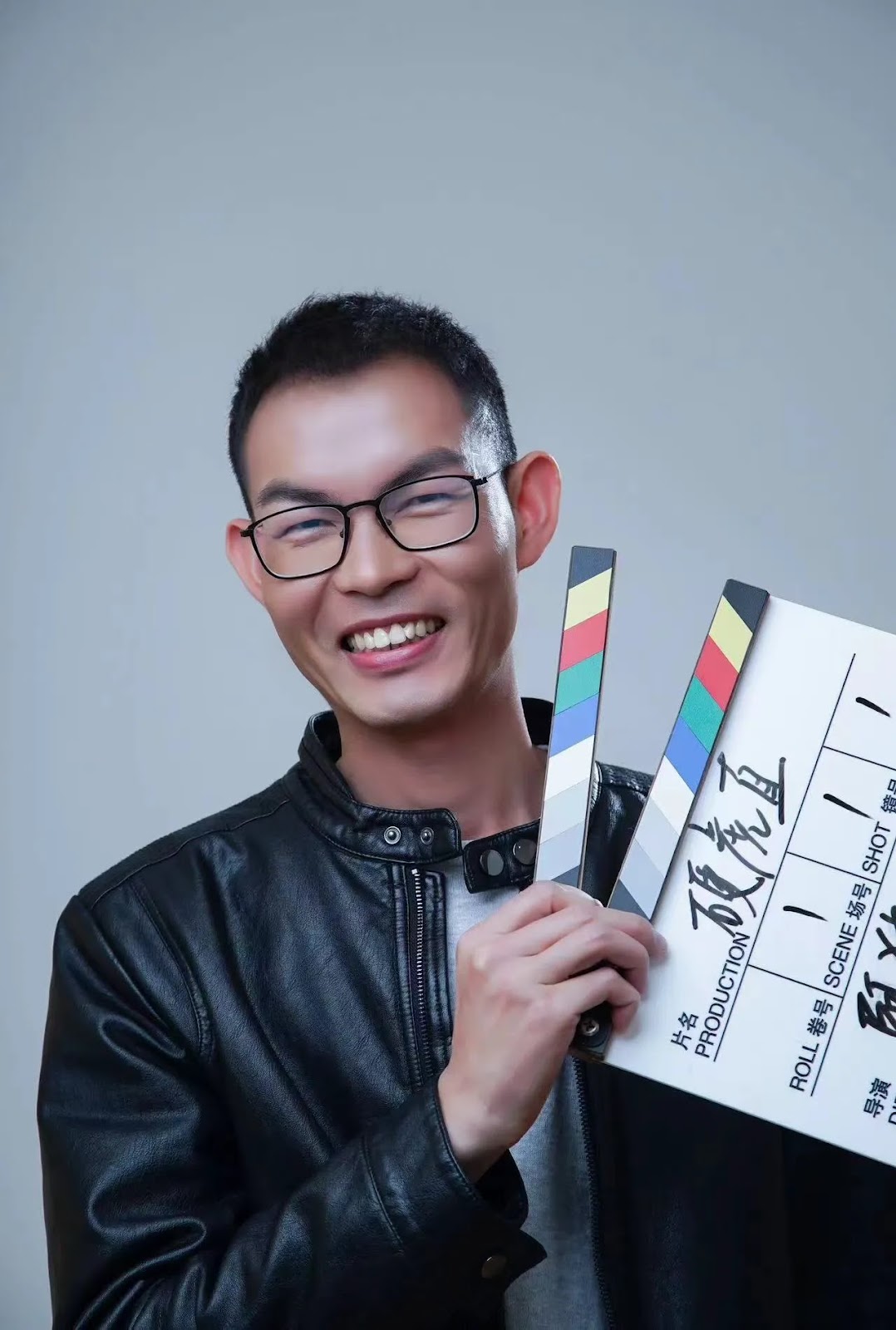
Lan Hongchun is a Chinese film director, screenwriter and editing supervisor, born in Shantou, Guangdong Province. He graduated from South China Normal University, majoring in Chinese Language and Literature. His comedy film “Proud of Me” won the Best Narrative Feature Award at the Shenzhen Youth Image Festival. His second film, “Back to Love” won the 12th Guangdong Provincial Spiritual Civilization “Five-One Project” Award. In 2026, his drama film “Dear You” was released with him as its director, screenwriter, and editing supervisor, accumulating more than 1.9 billion RMB at the box office.