
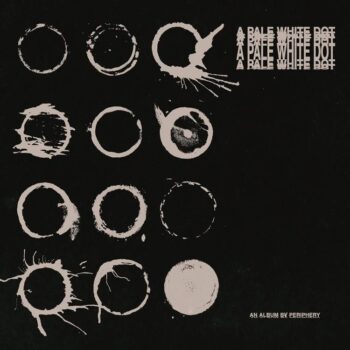
 Over a decade removed from the djent boom of the early 2010s, stylistic flagbearers Periphery have settled into a comfortable routine, periodically regrouping from side projects and business ventures to release a new record every few years. Cracks in that formula began to show on 2023’s Periphery V: Djent Is Not a Genre, where the compositions started to feel both formulaic and scattershot. Their new release, A Pale White Dot, is their first non-numbered album since the two-part Juggernaut (2015). It seems intended as a departure from their established release pattern and a chance to reconnect with a more instinctive, creatively driven approach written from a “top-down” perspective shaped by themes of isolation and loneliness. Periphery remains one of my favorite bands (even if I find myself stuffed into the occasional AMG locker for this opinion), and I’m always excited by the prospect of their technically minded, melodic, and smartly written take on progressive metalcore. By centering this record around a more focused concept and shedding some of the expectations attached to their numbered releases, can this league of extraordinary “djentlemen” deliver another satisfying dose of syncopated brilliance?
As Juggernaut did for Periphery I and II, A Pale White Dot streamlines the maximalist hyper-technicality of Periphery III–V in service of its concept, even if that comes at the expense of what once made the band so compelling. Periphery helped define the 2010s metalcore formula of “djent riff + soaring clean chorus + breakdown,” a blueprint that would eventually shape modern heavyweights like Sleep Token and Spiritbox. Their music could pivot seamlessly between dizzying guitar acrobatics and polished melodic hooks without sacrificing momentum, turning even the most familiar structures into sprawling narrative journeys. A Pale White Dot is the first record where this strength fades into the background, with a diminished presence of the “pure-riffery” and progressive elements the band is known for. With a few exceptions (the psychotic opening riff of “Malevolent” or the bombastic bridge of “Everyone Dies Alone”), a set of shorter songs is largely held together by straightforward chugs and massive vocal-forward choruses. Periphery still sounds like themselves, but the overall shape of these songs is far closer to run-of-the-mill “Octanecore” than ever before. For the first time in their career, it feels like Periphery is merely iterating on popular sounds, rather than pushing them forward.
I’d describe the songcraft on A Pale White Dot as frustratingly competent. Periphery clearly knows what they’re doing every step of the way, and the band still finds ways to inject personality and variety into familiar formulas, even as their material sounds increasingly more generic. As always, the musicianship is absurdly sharp across the board, and once you acclimate to his squeaky pop cleans, vocalist Spencer Sotelo proves to be an essential ingredient in this polyrhythmic pie. His delivery feels more powerful than ever, shifting effortlessly between varied harsh vocals and emphatic arena-ready hooks. “Mr. God” and “Subhuman” land as earth-shaking djentcore bruisers, but beyond this, each track demonstrates a surprising diversity of moods. Subdued, vocal-driven tracks erupt into blackened tremolo passages (“Obsession”) or ludicrous mid-song breakdowns (“Carry On”), while songs like “Talk” and “Heaven on High” recapture the band’s classic sense of breakneck momentum, swerving between entertaining djent, crushing breakdowns, and massive refrains. Despite these turns, the whole package feels decidedly safe. The different song sections arrive with predictable timing, and certain chorus chord progressions/melodies begin to feel so familiar that some climactic moments lose their impact, especially when a weaker hook like “Unlocking” fails to justify the buildup.

Whereas my favorite moments on past Periphery records tend to come from huge, cathartic climaxes, some of the strongest passages on A Pale White Dot instead lean into understated nuance. “Blackwall” follows in the footsteps of “Silhouette” from Periphery V as a synth-pop-leaning earworm, but its most compelling moment is an expansive IDM-influenced middle section where synth washes and digital percussion fully take over. The titular closing track is another quiet highlight, built around a delicate acoustic guitar melody wrapped in subtle electronic atmosphere. There are other standout sections, like the wisteria-tinged progression of “Neon Valley’s” chorus or the emotional guitar solo of “Everyone Dies Alone.” These highs serve as memorable moments that anchor repeat listens, even if no single track quite reaches the heights of the band’s very best work.
A Pale White Dot is an album that’s easy to admire on a craftsmanship level, but hard for me to connect with. Periphery remain highly accomplished musicians and effective songwriters. As a fan of their style, there are still plenty of moments and tracks to enjoy throughout. At the same time, this record marks a noticeable streamlining of their sound, trading much of their trademark progressiveness and technical intricacy for more straightforward material that sits closer to contemporary metalcore than much of their earlier work. It’s far from bad, but I’d be hard-pressed to pick it over any other Periphery album.
Rating: 2.5/5.0
DR: N/A | Format Reviewed: Stream to end all streams
Label: 3Dot Recordings
Websites: periphery.net | facebook.com/PeripheryBand
Releases Worldwide: May 15th, 2026
The post Periphery – A Pale White Dot Review appeared first on Angry Metal Guy.