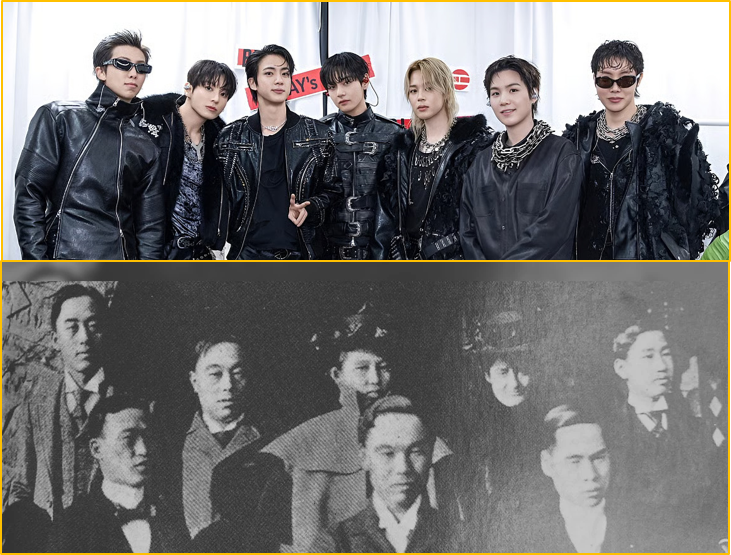
When BTS chose ARIRANG as the name of their 2026 world tour, many fans immediately recognized the reference to Korea’s most beloved folk song. Yet hidden beneath the tour’s title may be a remarkable story that stretches back more than a century—a story of seven young Koreans, a historically Black American university, and a song that crossed oceans long before K-pop existed.
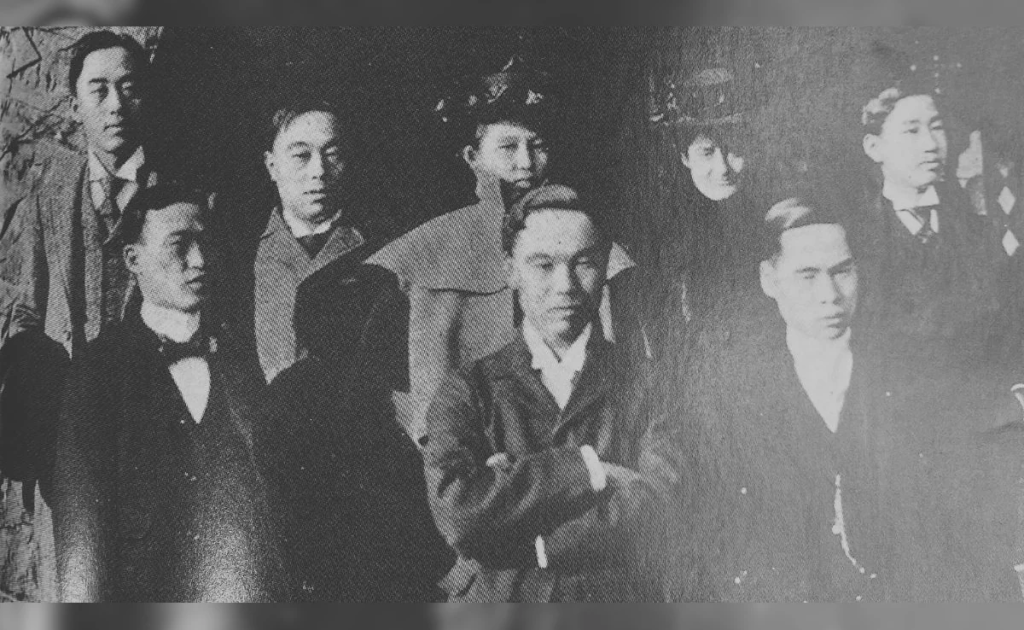
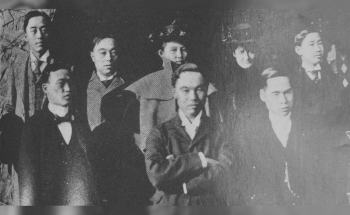
In 1896, seven Korean students arrived in the United States during a period of profound political uncertainty for Korea. Their journey across the Pacific was difficult, and after arriving in America they struggled to continue their education before receiving assistance from Korean diplomat Suh Kwang Bum. Eventually, the students enrolled at Howard University, a historically Black institution in Washington, D.C., that offered educational opportunities at a time when racial barriers limited access for many people of color.
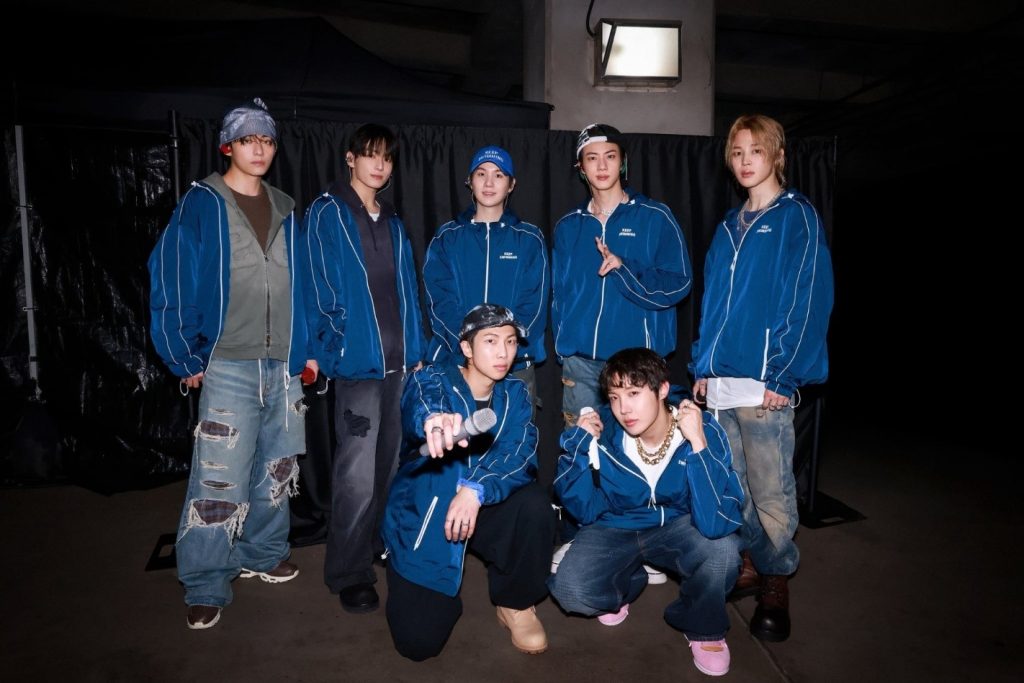
More than 130 years later, the parallels are striking. Seven Korean students carried Arirang across the Pacific in 1896. Seven members of BTS are carrying it across the world in 2026. Both journeys speak to the power of cultural exchange and the enduring ability of music to connect people across boundaries. BTS’s choice of ARIRANG is especially significant because the group has openly described the project as a return to their Korean roots, drawing inspiration from the folk song’s themes of longing, love, and identity. The title reflects a broader embrace of Korean heritage at a moment when BTS once again stands before a global audience.
For many fans, ARIRANG represents BTS’s long-awaited return after years apart. But it may also echo a lesser-known chapter of history—one in which seven young Koreans crossed an ocean carrying the same song in their hearts and shared it with a world that was only beginning to listen. In that sense, ARIRANG is more than a tour title. It is a reminder that Korean culture has been traveling, inspiring, and building bridges far longer than the age of K-pop. The song that once connected strangers in a university gathering over a century ago now resonates in stadiums around the world, proving that some stories—and some melodies—never stop finding new audiences.
– Karen Mwenda
#BTS #BTSARMY #BTSConcertHistory #kcrush #TheJourneytotheARIRANGEra #kpop #koreanidol #BTS20262027WorldTour #kcrushamerica #kcrushmagazine #kpopidolrespect #performersoftheyear #TheRedBulletTour2014and2015 #TheMostBeautifulMomentinLifeOnStage2015and2016 #tourevolution #TheWingsTour2017 #LoveYourselfSpeakYourself2018and2019 #PermissionToDanceOnStage2021and2022 #SugaAgustDDDayTour2023 #JHopeHopeOnTheStageTour2025 #JinRunSeokjinEpTour2025 #TheARIRANGTour2026 #BTSKoreanAmbassador #KoreanEntertainment #BTSKoreanidol #BTSKPop #Hallyu #BangtanSonyeondan #1896HowardUniversitysongARIRANG #SouthKoreanPrideBTS
The post ARIRANG: Forgotten Legacy behind BTS’s World Tour appeared first on K Crush America Magazine.