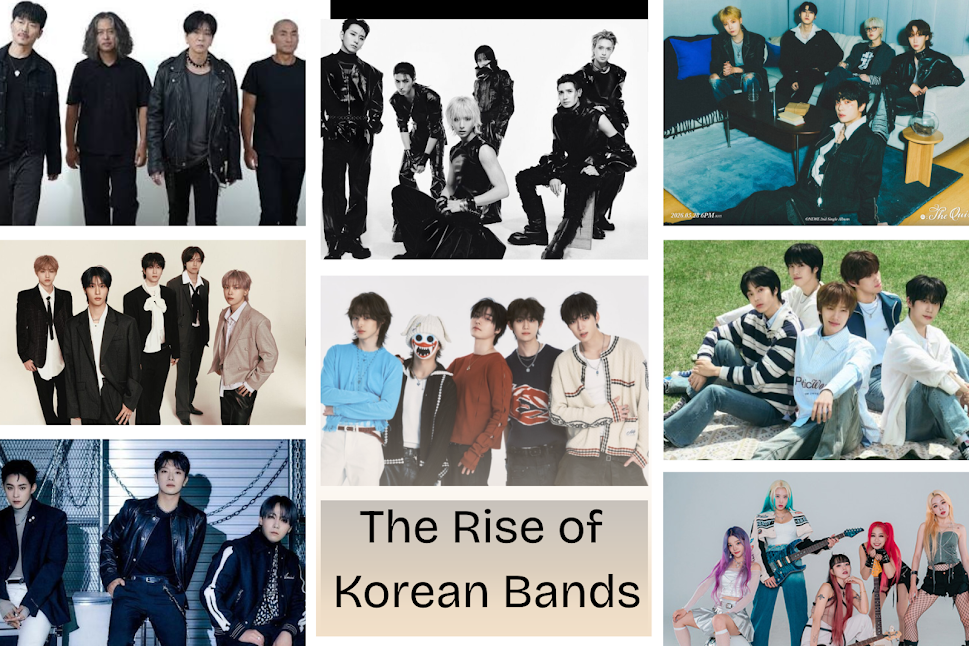
Korean bands appear to be entering one of the strongest periods of recognition the scene has seen in years. Established acts continue expanding their global audience, whereas newer groups are finding success much earlier in their careers. More importantly, listeners themselves have become increasingly open to exploring Korean music beyond the traditional boundaries of idol music.
The Foundation (1996-2014)
Before Korean bands began appearing on international festival lineups or selling out venues worldwide, generations of musicians were building the foundation for the thriving band scene that exists today. They forged their careers without the global support system that now surrounds Korean music, relying instead on relentless touring, various show appearances, and an unwavering commitment to their craft at a time when the spotlight remained fixed on ballad singers and, later, the rapidly growing idol industry. Success and recognition rarely came overnight; however, through years of persistence and dedication, these artists helped shape the identity of Korean band music and laid the groundwork for the generations that followed.
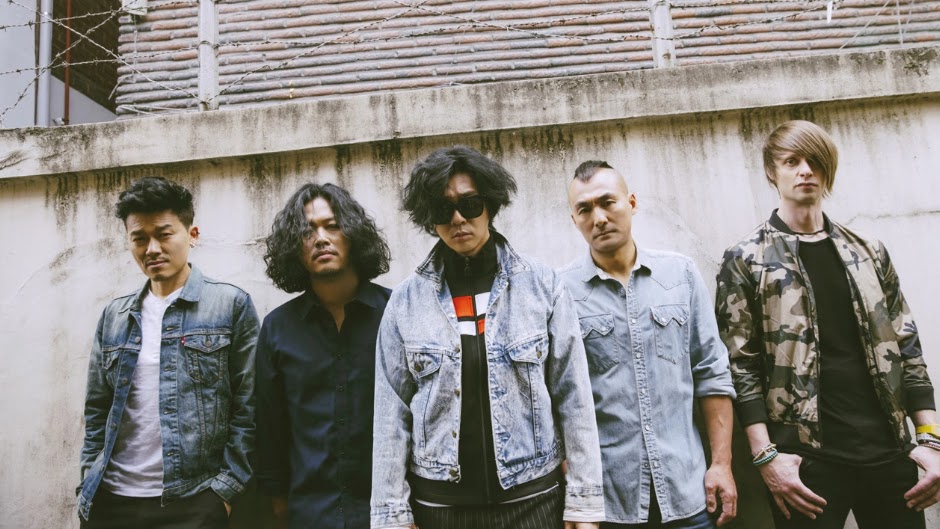 |
| YB |
One of the earliest pioneers leading the band scene was YB. Formed in 1996, the band helped bring rock to the forefront of the public through explosive live performances and a sound that blended hard rock, blues, and alternative music. During a time when rock occupied only a small portion of Korea’s mainstream music landscape, YB demonstrated that technical musicianship and powerful live presence could sustain a career for decades, becoming an enduring influence on generations of musicians that followed.
In the early 2000s, the sound of Korean bands began to evolve as artists explored new musical directions, with BUZZ connecting with audiences through emotionally charged ballads and soaring guitar-driven anthems that resonated deeply with listeners, while around the same time, NELL took a distinctly different approach by embracing atmospheric arrangements, introspective lyricism, and alternative influences that expanded the artistic possibilities of Korean band music and demonstrated that the genre could be just as emotionally nuanced as it was sonically ambitious.
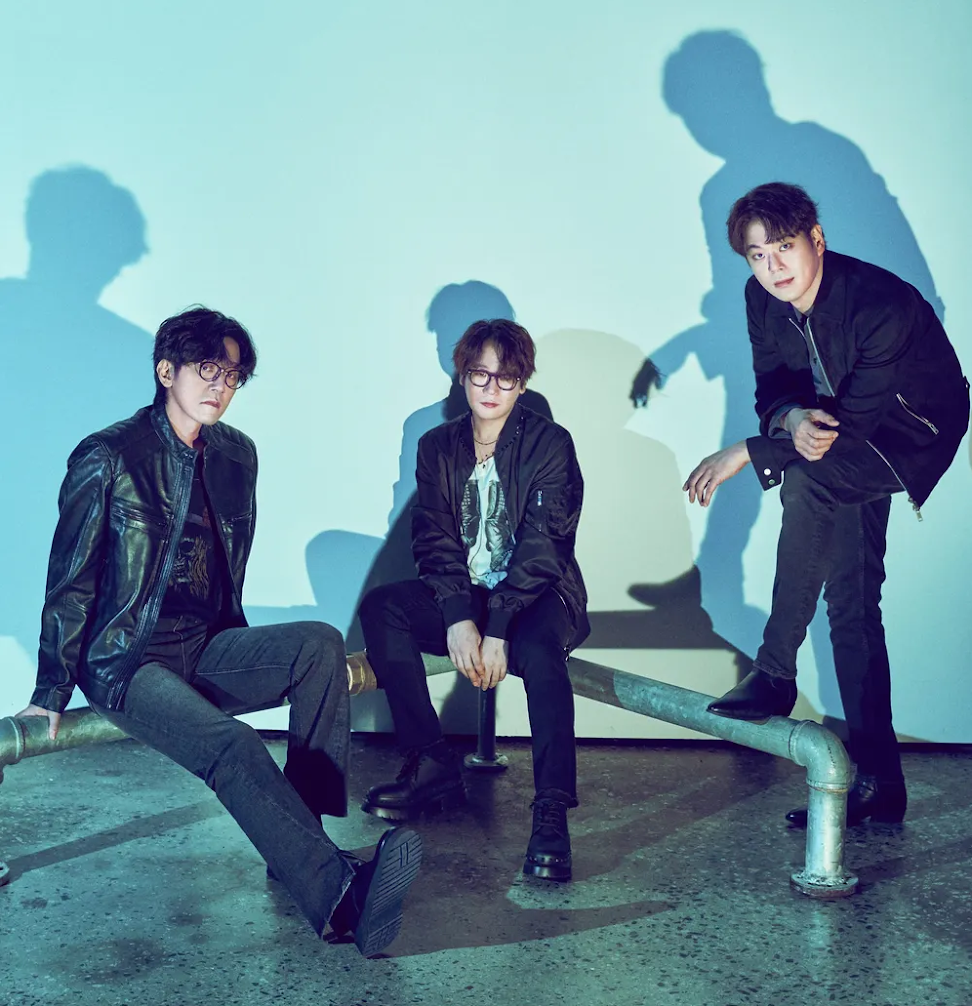 |
| NELL |
The late 2000s brought another significant shift with the rise of idol bands. When FTISLAND debuted in 2007, they challenged long-held assumptions about where bands could exist within Korea’s entertainment industry, combining live instrumentation with the promotional systems typically associated with idol groups. That momentum continued with CNBLUE, whose polished pop-rock sound introduced a new generation of listeners to live band music and demonstrated that bands could flourish alongside the country’s rapidly growing idol scene.
Although each of these artists followed a different musical path, they shared a common achievement of establishing Korean bands as a lasting part of the country’s musical identity. In doing so, they proved that success could be built not only through spectacle but through musicianship, authenticity, and enduring connection. Without the foundation they created, the diverse and continually evolving Korean band scene that exists today would not have been possible.
Breaking New Ground (2015-2022)
Building on that foundation, the next generation demonstrated just how far Korean bands could reach. Throughout the mid-2010s and early 2020s, bands began gaining new traction and larger domestic audiences while simultaneously finding listeners far beyond Korea’s borders. As the globalization of K-pop introduced millions to Korean music, growing curiosity about the country’s broader musical landscape created new opportunities for bands to reach audiences around the world, ushering in an era that expanded not only the band scene but also its creative identity. Rather than being defined by a single rock sound, this generation embraced influences from pop, alternative, indie, jazz, orchestral, and electronic production, reflecting a growing willingness to experiment.
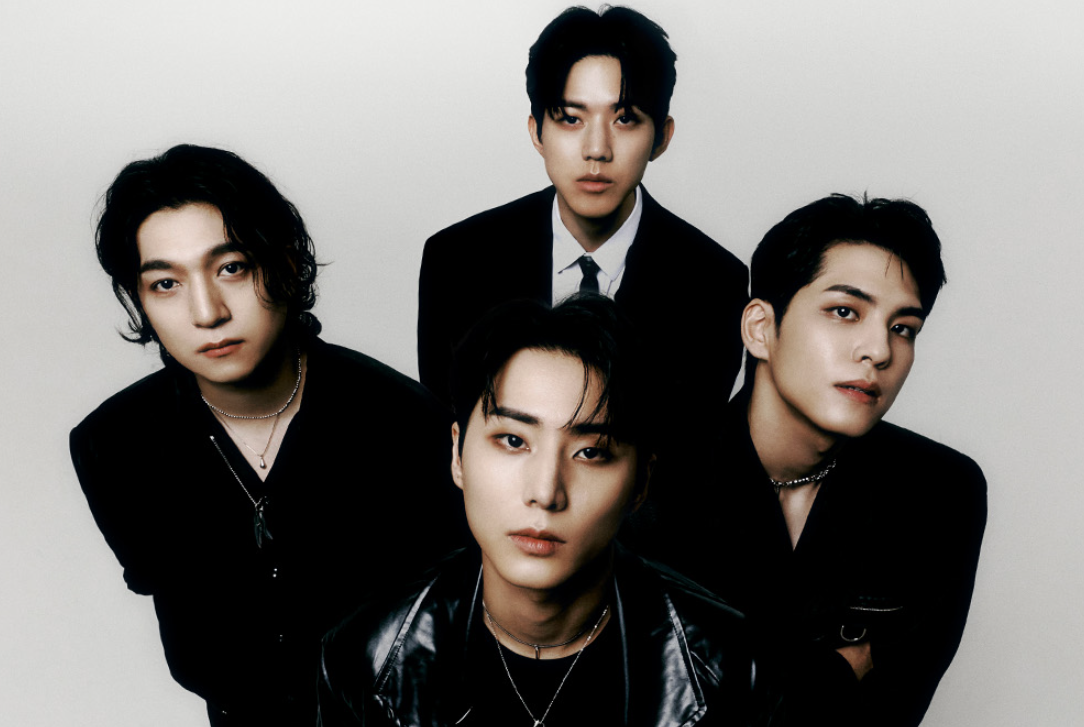 |
| DAY6 |
Debuting in 2015 as JYP Entertainment’s first band, DAY6 marked a significant turning point for a company best known for its successful, traditional idol groups and for an industry that had long been dominated by them. Through emotionally resonant songwriting and a discography that moved effortlessly between rock, pop, and ballads, DAY6 demonstrated that bands could achieve mainstream success without compromising their musical identity. Around the same time, The Rose proved there was more than one path to building a global audience. Long before performing on some of the world’s biggest stages, the band built its following through busking, live performances, and word of mouth, with heartfelt performances and deeply personal songwriting resonating with listeners worldwide. This momentum gradually evolved into a global fanbase, and their journey reflected a changing music industry in which streaming platforms and online communities could be just as influential as traditional promotion.
This artistic growth extended across the scene with ONEWE strengthening the emphasis on self-produced music, while LUCY expanding the sonic possibilities of Korean bands by making the violin a defining part of its identity. wave to earth brought indie rock, jazz, and lo-fi influences to a wider global audience. At the same time, TOUCHED gained recognition with its co-ed lineup, emotionally charged performances, and dynamic live stages. Meanwhile, Rolling Quartz brought renewed attention to hard rock and metal as one of Korea’s leading all-female bands, and Xdinary Heroes pushed the genre further by blending alternative rock with electronic production and theatrical storytelling.
 |
| Rolling Quartz |
Together, these bands reshaped perceptions of what Korean bands could become. They all demonstrated that Korean bands could thrive within the same musical ecosystem as K-pop while offering something entirely their own, paving the way for the next generation of artists to continue expanding the scene.
The New Wave (2023-Present)
Today’s emerging generation of bands is building upon that momentum with an even greater sense of creative freedom. The artists who came before them proved that Korean bands could thrive; now, this new generation is showing that there are virtually no creative boundaries left to define them, reflecting a generation that is increasingly comfortable crossing genre boundaries while forging identities of their own.
Among the most promising acts is Catch the Young, whose bright yet melancholy-driven sound blends indie pop-rock with R&B-inspired vocals, pairing introspective songwriting with a style that reflects the growing diversity of Korea’s emerging indie band scene. V01D has carved out its own space through a bright pop-punk and rock sound that balances emotionally driven songwriting with infectious energy. hrtz.wav, formed through Mnet’s band survival program STEAL HEART CLUB, has likewise distinguished itself by fusing modern pop with rock elements into a sound that feels both contemporary and youthful. Another promising addition to the scene is THE SSYNDROME. This upcoming five-member rock band has steadily built anticipation through a series of pre-debut digital singles and performance covers, allowing listeners to become familiar with the group’s musicianship long before their official debut.
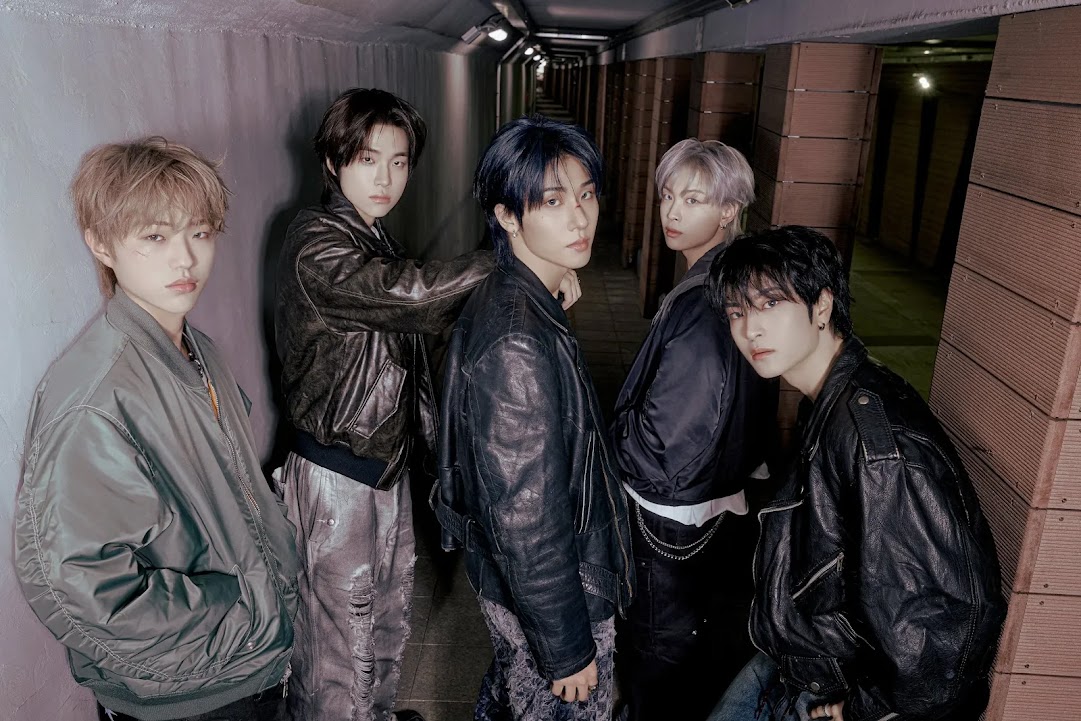 |
| Catch the Young |
Together, these artists reflect a generation that is less interested in fitting neatly within established genres than in creating music that feels authentic to their own artistic identities. While these bands mentioned here represent only a small part of today’s thriving band scene, they are by no means the only bands driving it forward. Across Korea and beyond, countless other bands continue to carve out their own identities and make a name for themselves, each contributing to an increasingly vibrant and diverse musical landscape. As more listeners discover these artists through streaming platforms, live performances, social media, word of mouth, and more, they are not only carrying forward the legacy of those who came before them but also shaping the next chapter of Korea’s ever-evolving band scene.
Looking Ahead
The massive wave of Korean bands taking over global stages is proof that Korean music is far more diverse and expansive than just one genre. For years, the country’s indie and rock scene was loved mostly by domestic fans; today, however, listeners worldwide are looking past the mainstream and discovering the country’s band scene alongside K-pop, bringing it into a much broader global conversation, with more bands playing at major festivals, selling out world tours, and reaching new audiences. At the same time, a new generation of artists continues to reshape the landscape, blending an ever-expanding range of musical influences with their own unique twists, further broadening the possibilities of what Korean bands can sound like and who they can reach.
This moment represents the culmination of decades of artistic growth, perseverance, and evolution. If K-pop opened the world’s door to Korea’s music and culture, the rising recognition of Korean bands is inviting listeners to step even further inside, revealing a music scene that has always been remarkably rich, multifaceted, and driven by creativity.