
The life of the unpaid, overworked metal reviewer is not an easy one. The reviewing collective at AMG lurches from one new release to the next, errors and n00bs strewn in our wake. But what if, once in a while, the collective paused to take stock and consider the discography of those bands that shaped many a taste? What if multiple aspects of the AMG collective personality shared with the slavering masses their personal rankings of that discography, and what if the rest of the personality used a Google sheet some kind of dark magic to produce an official guide to, and an all-around definitive aggregated ranking of, that band’s entire discography? Well, if that happened, we imagine it would look something like this…
Growing up in New York during the heat of the thrash metal explosion, it seemed like every speed merchant hailed from either California or Germany. Maybe that’s why New Yorkers latched onto Queens-based Anthrax so hard when they hit the scene and challenged the West Coast for thrash supremacy. Sure, they weren’t as evil as Slayer, and they lacked the mammoth highs like Metallica, but Thrax had their own special thing going on, and it smelled like NYC hot dog water and urine-soaked subways. Albums like Spreading the Disease and Among the Living became timeless pieces of my teen years, and while I didn’t support Thrax dabbling in rap and sporting those ridiculous Jams shorts on stage, they were my local idiots for better or worse. Nowadays, everyone questions whether they ever deserved their place in the Big Four, but they earned it with those essential early releases, and now Anthrax is the last one left standing.1 Funny how life works, isn’t it? If this was too long for you to read, here’s the pithy placeholder blurb Grin Reaper left for my intro: New York rulez, New Jersey sux. Incoherent monkey noises.
– Steel Druhm
Anthrax and I have had our ups and downs over the decades. Their early albums were foundational staples of my teen years, and State of Euphoria and Persistence of Time were part of my drunken college years. With the advent of the John Bush era, things got dicey and my interest waxed and waned greatly. I never completely lost faith in the band, though I came close several times. Recent years have been very kind to Thrax, even as other once-great thrash luminaries aged out or degenerated into wet sacks of absolute garbage. Through the good, the bad, and the ugly, Anthrax never sold as many albums as Metallica, but they also never sold out as hard as Metallica did. That’s a feather in their cap no one can ever remove. Onward!
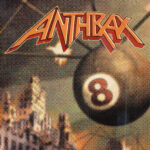 #11. Vol. 8 – The Threat is Real (1998) — The 90s saw Anthrax struggle for identity like most metal acts did. It was a decade that became unfriendly to metal as a genre, with grunge and alt-rock being the only things labels and radio stations wanted to know about. This forced bands to try to find their place in this new world order, and some managed better than others. Vol. 8 was the third album helmed by John Bush, and it was a troubled time for the band. The album very much sounds like the work of a group in search of a new direction, with various styles and ideas clashing badly. There are groove metal elements rubbing against straight-up thrash, alt-metal ideas, and nods to country rock for some unknown reason. Very little of it worked, and seriously, what the holy fook is with the country edge here? There are a few “hits” that stuck with me, like “Crush” and “Catharsis,” but so much of Vol. 8 is just forgettable filler, and this album still makes me scratch my head and wonder what the band was thinking. This barely qualifies as a demo, let alone an actual release from a band of their stature.
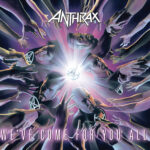 #10. We’ve Come for You All (2003) — This was the final release with Bush on vocals. At times it sounds like a flashback to The Sound of White Noise, and at others, it sounds tired and confused. It’s a slightly better showing than Vol. 8, though that isn’t saying much. You get a burner like “What Doesn’t Die” that makes you remember why you loved Anthrax in the first place, and “Safe Home” is a sneaky underdog that’s become one of my favorite metal anthems over the last 20 years. Sadly, the rest of the album sounds more like generic hard/alt rock akin to Audioslave or Seether than anything Anthrax-related. Be honest, do you ever want to hear any track off here besides the 2 mentioned prior? There are so many non-essential entries present that the whole thing ends up feeling washed out and badly forced. It was sad to see Bush go out like this, but things just weren’t working, and life is tough for him outside of Armored Saint.
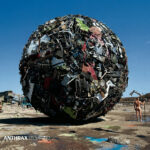 #9. Stomp 442 (1995) — Since I came around on Sound of White Noise and learned to like, if not love, the Bush era of Anthrax, I came into Stomp 442 with a fairly open mind. I loved “Fueled” from jump, and it still sits on my workout and cardio playlists. It’s the superior “fuel” song to that other Big Four product, and it has way more punch and scrotal wattage. In fact, the directional shift in tone toward Pantera paid dividends for Anthrax, and there are a bunch of cuts here that are mean and gritty enough to win you over. “Random Acts of Senseless Violence” is a legit killer tune, “In a Zone” feels mean and hungry, and “Tester” would be a good song on any Thrax album. I even like the way things end on a tender note with “Bare.” It just feels right after all the raging, beefbrained riffing. This album gets way more hate than it deserves, and it’s only slightly lower in quality than Sound of White Noise. Give this another chance, and you might be surprised. Do it for Dimebag!
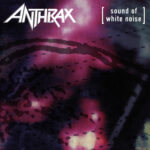 #8. Sound of White Noise (1993) — I remember hating the idea of John Bush joining Anthrax when it was announced. As a big fan of Armored Saint, I didn’t want to see them get wrecked to keep Anthrax aloft. When the lead single “Only” dropped, I was utterly unimpressed. I was working a night shift job when the album dropped, and the Siena College radio station ran a metal show after 11 PM that played the living hell out of Sound. Said airplay slowly wore me down to the point where I grudgingly accepted and ultimately enjoyed the album. It’s a consistent and entertaining record with a few big-ticket moments like “Room for One More” and “1000 Points of Hate.” “Black Lodge” has had legs over the years, and “C11 H17 N2 O2 S Na” is a very good tune as well. I don’t go back to Sound much these days since my true love is the Belladonna eras of Anthrax, but I do respect what the band pulled off here.
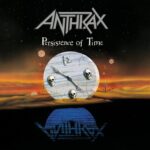 #7. Persistence of Time (1990) — I’m of the opinion that Persistence of Time may be one of the most overrated albums in metal history. It seems to be universally beloved, even by those who aren’t much into Anthrax, and I never understood why this one got placed so high on a pedestal. Yes, it’s the last release in the original Belladonna era, and yes, it’s darker than the prior Thrax albums, and sure, it’s good, but is it a great album? Not really. It has its good moments like “In My World” and “Belly of the Beast,” and their cover of Joe Jackson’s “Got the Time” has become an enduring staple of live shows. None of these are really “prime” Anthrax though, and the rest of Persistence is pretty middling and overly bloated. The longer track times don’t always work in the band’s favor, and the added darkness doesn’t help if the material feels flat. Too many of the cuts here are just passable. Case in point, “Keep it in the Family” sounds like 4 songs duct-taped together, and none of them work well alone or together. Who knows, maybe I’m the strange one. No, it’s the masses who are wrong.
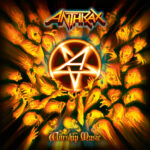 #6. Worship Music (2011) — With all the drama surrounding the recording of this one, it’s beyond amazing we got anything worthwhile at all. Anthrax recorded one version with Bush, then another with some unknown dude from Long Island, before finally bringing Joey Belladonna back to lay down the vocals. And you can quickly tell these songs were written with Bush in mind, and Joey really worked to make them fit his voice. Despite all that, Worship Music was one helluva comeback for a band most everyone had written off as extremely fucking dead. Since I was slated to review this, I dreaded another Vol. 8-level bomb landing at my feet and forcing me to kick a dead horse. To my surprise (and everyone else’s), this thing kicks a shocking amount of ass. It often sounds like the natural follow-up to Among the Living, and some of the cuts are pretty damn heavy. “The Devil You Know” and “Fight Em Til You Can’t” are classic Thrax from soup to nuts, and “I’m Alive” and “In the End” show a different side to the band without sounding like shitty radio rock. The back half has some issues, but overall this is way better than it had a right to be. Thanks, Joey!
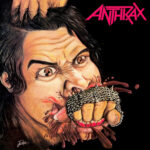 #5. Fistful of Metal (1984) — Ah, the mostly forgotten debut. This one is often overlooked since it doesn’t sound like the version of Anthrax most folks know, as this is basically a classic heavy metal album. That all said, this is a righteous slab o’ metal in its own right with a series of classic songs that Thrax still break out live now and then. There’s no disputing that “Deathrider” is a great song full of 80s power and one of the best the band ever penned. It’s like Motörhead meeting Exciter and Omen in battle, and only the listener survives. “Metal Thrashing Mad” went on to become a pillar of their live sets, and “Soldiers of Metal” is so 80s it hurts right in that 80s place. Neil Turbin’s rough, battle-ready vocals channel Paul Di’Anno, and the material feels mean, gritty, and street-lethal. Deep cut “Howling Furies” is one of my favorite metal tunes ever, and that line about the butcher knife is pure fucking poetry. This one deserves your love, but do YOU deserve a Fistful of Metal?
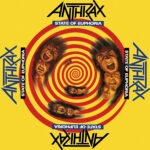 #4. State of Euphoria (1988) — This is what I consider the last release of the band’s golden age. It was the logical sequel to the surprisingly successful Among the Living, and I admired Anthrax for not trying to sell out here when they so easily could have, given their newfound fame. Euphoria has their classic sound and energy, but with a darker edge which they would continue to explore on Persistence of Time; the hooks here are still razor-sharp and plentiful. The writing is geared toward memorable moments with big choruses, and they all land, but it never feels like Anthrax is writing for greater radio play since they included a cover of Trust’s punk anthem “Antisocial” to lube the airwaves for them instead. Tracks like “Now It’s Dark” and Misery Loves Company” were plenty dark, but you could sing those catchy choruses loudly in a grocery store or at the local church. Did the lyrics get too cutesy and try-hard clever at times? Absolutely, and there are some truly cringe-worthy lines, especially on “Finale,” but that’s part of the Anthrax experience. Take it or leave it, chumbo.
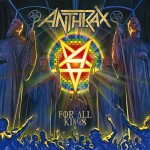 #3. For All Kings (2016) — It kills a small part of my rusted, raged soul to rank this above enduring classics like Fistful and State of Euphoria, but truth must be spoken to the filthy, rotting masses. Yes, the second installment of the Joey Belladonna redemption arc is that good. I hoped for something as solid as Worship Music, and got clobbered by a vital, adventurous version of Anthrax that sounds like the 80s are back, but the band is older, wiser, and better able to expand their sound in smart ways. From how they come out swinging on “You Gotta Believe” and into “Monster at the End,” you can’t help but be impressed by just how classically Anthrax the material is. What seals the deal for me is how the album sounds like classic Thrax, but a more mature, world-weary version of the band. The 80s/90s version could never have pulled off a massive mood piece like “Blood Eagle Wings,” but now they can. They even inject wistful melancholy into cuts like “Breathing Lightning” without disrupting the album’s identity. For All Kings isn’t perfect, but it’s light-years better than anything the Big Four released since the early 90s. Look who had the last laugh!
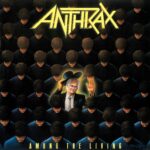 #2. Among the Living (1987) — This is likely to be the winner in most Anthrax catalog rankings, and I certainly understand why. This was the album that truly broke the band through to mainstream consciousness with MTV running “hit” single “Indians” heavily outside of Headbangers Ball. The track listing reads like a who’s who of their best-known cuts like the title track, “Caught in a Mosh,” and “I Am the Law.” This is the sound of a band sure of their identity and writing from a place of confident inspiration. The material has a rowdy, carefree vibe that could only come from a New York upbringing, as if they’re poking you in the chest and daring you to find fault with what they were doing. My friends and I beat this album to absolute death the year it came out as we watched Anthrax’s public profile rise and escape the confines of underground metal. It seemed like the world was their oyster and that these cats would be bigger than Jesus. I still love this one and always will, but the back half is less amazing than the front, and I’ll never think of it as their best output.
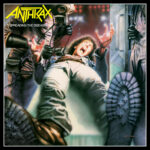 #1. Spreading the Disease (1985) — This is the real magic bullet in the Thrax arsenal. Coming off the decidedly different Fistful of Metal debut, Neil Turbin was streeted, and in came Joey Belladonna with his much larger range and charisma. The sound shifted to a more thrashed out focus with a punk energy under the surface, and the writing was sharp and tight. Opener “A.I.R” grabs you around the neck and holds you in place as the band introduces you to the new sound, and there’s no denying they found the secret recipe here. Even the clunky, chunky production by Carl Canedy works somehow, giving everything a loveably rough, unfinished sound. Joey blows the doors off on eternal classics like “Madhouse,” “Aftershock,” “Armed and Dangerous,” and “Medusa,” and Thrax even dabble in moody prog on the brilliant cut “The Enemy.” Then there’s the closer “Gung Ho,” which at the time was the fastest shit anyone had ever heard. This is a flawless album that successfully marries the classic heavy metal sound of Fistful of Metal with thrash, and this is where Anthrax was and always will be at their very best. Blast “Medusa” at ear-bleeding volumes and tell me I’m wrong. Yeah, I thought so. Everything is in the right place at exactly the right time here, and it will forever go down as one of the best albums of the 80s. There is no other correct choice, folks.
Although Anthrax took the longest of the Big Four to click with me, their discography, along with Megadeth’s, is the one I revisit most. My first forays into Thraxland were by way of non-album tracks like “Bring the Noise” and “I’m the Man,” and while I’ve come around on those songs, they didn’t compel me to explore any further at the time. Eventually, though, I caught wind of Anthrax’s potent rhythm section, riveting me to tracks like “Caught in a Mosh” and “Got the Time,” as well as the one-man riff engine known as Scott Ian. The rest, as they say, is history. With new album Cursio Perficio just around the corner, I’ve thoroughly enjoyed revisiting the Not Men and their back catalog. So make sure you take the Time to check out my End All, Be All list, and if you disagree with any of it then head to the comments and Make Me Laugh.
#11. Volume 8 – The Threat Is Real (1998) — Most Bush-era Anthrax output would have fared better if they’d formed a new band like Audioslave did after de la Rocha left Rage Against the Machine. As is, the albums between The Persistence of Time and Worship Music sound like a product of the times, and even though Anthrax recorded some strong tracks during this time, Volume 8 never threatens to rise higher than the bottom of the barrel. Every time I start Volume 8 I feel my hopes rise, thinking it might be better than I remember. Such is the power of “Crush.” The main riff and animated drumming drive momentum across the Volume 8’s opener, which proves a fantastic at hype song and a song I revisit regularly. “Piss N Vinegar” sports burly, ass-kicking crunch and “Born Again Idiot” reminds me a bit of Clutch’s “Milk of Human Kindness,” but mostly Volume 8 sounds like late 90s alternative rock filler—the bloat is real.
#10. Stomp 442 (1995) — Though Stomp 442 starts promisingly enough, Anthrax’s seventh album wears thin ahead of its midpoint. More economical than Volume 8 at a still overlong fifty minutes,2 Stomp 442 kicks off with “Random Acts of Senseless Violence,” “Fueled,” and “King Size,” all of which feel urgent and pissed off. “Riding Shotgun” bats clean-up, and though the song is fine enough, the uniformity of Stomp 442 starts to set in here and never relents. I attribute the diminished returns to the absence of longtime lead guitarist Dan Spitz. Scott Ian is a metal icon and a maestro of riffs, but where Sound of White Noise proved Anthrax could still put out bruising cuts under a new musical direction, Stomp 442 struggles to sustain that success.
#9. We’ve Come for You All (2003) — Five years after releasing Volume 8, Anthrax bounced back with We’ve Come for You All. Where Stomp starts strong and peters out, We’ve Come for You All more evenly distributes its load, coaxing a more balanced experience that maintains a safe home floor of quality. Nothing on We’ve Come for You All hits the same highs as Stomp’s opening triad, but “Refuse to Be Denied,” “Safe Home,” and “Strap It On” prove solid enough singalong fodder while “Cadillac Rock Box” features Dimebag and Bush engaging in reckless country swagger. The album also ends with a strong duo in “Think About an End” and the title track, and while these songs would never wind up on a best-of compilation, they’re a satisfying send-off for what would be John Bush’s final original contributions with Anthrax.3
#8. Sound of White Noise (1993) — Unequivocally the best album of Anthrax’s Bush years, Sound of White Noise flaunts some killer tracks that might rank higher if they fit better within Anthrax’s milieu. After Joey Belladonna was dismissed in 1992 for creative differences, Anthrax recruited John Bush for his more aggressive vocal delivery that the band felt meshed better with their desired direction. Though Anthrax’s signature sound is a far cry from Belladonna’s reign, Sound of White Noise captured the angst and contempt of the 90s with bangers like “Only,” “Hy Pro Glo,” and “Sodium Pentothal.” While even the best songs here never threaten to outdo what Belladonna accomplished with the band, Sound of White Noise teems with satisfying tunes that serve as obvious highlights from John Bush’s time with Thrax.
#7. Worship Music (2011) — Belladonna’s return on Worship Music heralded a triumphant return to Anthrax’s classic sound and energy. “Earth on Hell,” “The Devil You Know,” and “Fight ‘em ‘til You Can’t” remain some of my favorite tracks in Anthrax’s arsenal, and deeper cuts like “Judas Priest,” “The Giant,” and “In the End” qualify as certified bops, as well. The separation between Worship Music, Fistful of Metal, and For All Kings is razor thin and might change by the day, but ultimately I give the edge to the other two because “Hymn 2” doesn’t do enough to justify its own dedicated track, and there’s just a teensy hint of unevenness in the album’s back third. Even so, Worship Music still sounds vibrant fifteen years later, and its placement in the ranking stands as a testament to the strength of the rest of their output. Eight long years after We’ve Come for You All, Thrax crawled out from the shadows and restored faith that they’re still the sleazy devils you know.
#6. Fistful of Metal (1984) — Anthrax’s debut leans heavily into thrash metal’s roots as the nascent movement synthesized influences from NWoBHM, speed metal, hardcore and punk. “Deathrider” and “Panic” evince bruising blends of Motörhead and Priest, with Benante’s double-bass fusillade recalling “Overkill” and the soaring, melodic leads and spry riffing suggesting Screaming for Vengeance. “Metal Thrashing Mad” meshes New York hardcore and punk influences with sinewy riffcraft while “Soldiers of Metal” and “Death from Above” sound like early Saxon trading in their slinky sways for higher velocities. The entire album coalesces into a curiosity within Anthrax’s discography—a stepping stone with its influences on its sleeve that sounds both fresh for its time and righteous on its own. Though I rarely reach for Fistful of Metal as a standalone listen, every time I spin it I’m delighted at just how metal thrashing rad it is.
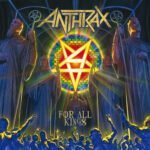 #5. For All Kings (2016) — I’ve mentioned it before, but 2016 evidenced a ridiculously strong year for thrash metal titans. Megadeth and Testament put out very strong records, and Anthrax also carried the torch with For All Kings. The continuity of quality from Worship Music to For All Kings satisfies in every way, and the album is laden with earworms and creative riffing bolstered by a sense of drama Anthrax never previously deployed. Outside the band’s elite material, For All Kings is the album I return to most often, and that’s largely thanks to “Breathing Lightning.” This tune unabashedly rips and remains a staple in my road trip playlists, and the Dark Tower references intensify my affection even further. Several other tracks draw me back as well, including “Monster at the End,” “Blood Eagle Wings,” and especially “All of Them Thieves.” For a band thirty-five years in,4 For All Kings shines like a beacon, highlighting that age is only a number.
#4. Persistence of Time (1990) — Many folks may have Persistence of Time ranked even higher. Honestly, there are killer tracks on this album that come close to pushing it up, but too many of them suffer from too much bloat. “Blood,” “Keep It in the Family,” and “In My World” survive as stone-cold classics, yet they’d pack even more punch if Anthrax shaved a minute from their runtimes. Even so, Persistence of Time takes a direct approach that bursts with earnestness, consistently sweeping me away despite any faults. “Got the Time” supplies a relevant cover that’s as improbable as it is effective, and really Persistence of Time’s theme is more poignant and charged than anything Anthrax had written up until this point. Though it has some warts, Persistence of Time is an enduring thrash album that deserves your attention.
#3. State of Euphoria (1988) — Riding the success of Among the Living, State of Euphoria retains the bravado and infectiousness of Anthrax’s preceding couple of albums and layers in more blunted social commentary on tracks like “Make Me Laugh” and “Schism,” seeming as relevant today as they did nearly forty years ago. In classic Anthrax fashion, the band holds a mirror up to ugly truths without feeling too preachy while surrounding them with riffs and moxie. Additionally, State of Euphoria demonstrates subtly slick melodicism. “Be All, End All” sports super-sticky vocal lines, and variations of the motifs introduced here persist through “Now It’s Dark” and “Misery Loves Company,” giving the album a depth and continuity I admire. Frank Bello also lays down grade-A grooves on State of Euphoria, endowing a brawny richness to its compositions. While the heights here don’t quite reach the pinnacle of Anthrax’s heap, State of Euphoria is a potent and overlooked album in their discography.
#2. Spreading the Disease (1985) — Spreading the Disease wasn’t Belladonna’s introduction to fans, as the Armed and Dangerous EP did that months earlier, but what a convincing and impressive slab it is. “Madhouse,” “A.I.R.,” and “Medusa” foreshadow the indelible hooks Anthrax would bring to life on their following album, but deeper cuts like “Lone Justice” and “Aftershock” galvanize me to raise the horns by instinct. Anthrax accomplishes all of this within a respectable forty-four minutes and ends Spreading the Disease with an implacable blitzkrieg of thrash metal thunder. I had this album in constant combat with Among the Living for my #1 spot, and although the latter eventually won out, the battle proved fierce and endlessly engaging. The truth is that neither of these Anthrax albums disappoint, and regardless of which one tops your own personal list, both of them leave you itching to Spread the Disease with libertine recklessness.
#1. Among the Living (1987) — I’d wager this is the de facto #1 record in many a ranking. If someone knows only one Anthrax album, it’s almost certainly Among the Living—and for good reason. This platter boasts one scorching track after another, and each one wedges its way into my gray matter with greedy barbs. Among the Living opens with a mid-paced, self-titled barnstormer that sources Stephen King’s The Stand as its inspiration, and it slays. All-timer “Caught in a Mosh” follows, discharging an infectious chorus while “I Am the Law” and “Efilnikufesin (N.F.L.)” submit rousing, raucous tunes that are a blast to play ad nauseam. Among the Living sounds vibrant and balanced with its fat bass tone, blistering drum grooves, and riff after riff of implacable headbangability, carrying momentum through every second of its runtime. In the end, Among the Living cements itself as an extraordinary feat of 80s thrash that should inspire metalheads everywhere to get caught in a mosh.
Anthrax was my gateway band. In the late 90s, nu metal tried to latch its sinister wallet chains into my (admittedly) oversized jeans. Punk was helping me recognize how lame nu metal was, but I had no Trve experience. But then, my bestie made me an American Big Four mixtape, with several choice Thrax cuts. I liked the tape, but metal still felt sterile to me. Frank’s chromatic bass line in “Caught in a Mosh,” however, revved me up, and Charlie’s explosive fill into the thrashy verses—coupled with Joey’s anthemic chorus and Scott’s mosh stomps—got me goin’. It was Anthrax that connected the punk/metal dots for me, and I never looked back. With gratitude, I offer this ranking.
#11. Volume 8: The Threat is Real (1998) — At best, Volume 8 is boring biker metal. At worst, it occasionally borders on nu metal. And at absolute worst, there’s “604” and lyrics about big orgasms on “Hog Tied.” It’s a bad sign when my favorite song is the CD-era secret track, “Pieces.” Other than this radio rock ballad, I don’t have many positive things to say about this record. If you haven’t listened to Volume 8, take the rest of the album title at its word—approach at your peril.
#10. We’ve Come for You All (2003) — I remember seeing the video for “What Doesn’t Die” on Headbanger’s Ball and being excited. It seemed like Anthrax was tapping into their past and borrowing from modern metal while keeping Bush’s powerful cords at the forefront. Alas, We’ve Come for You All hit me as mostly another Bushthrax album. Charlie certainly brings it on this album, and the black metal blasts of “Black Dahlia” stand as a late-album highlight. But even in spite of cameos from Dimebag and Roger Daltrey, We’ve Come for You All is another nearly hour-long slog.
#9. Stomp 442 (1995) — With one exception, the Bushthrax albums sit at the bottom of my list. It’s not John Bush’s fault. He’s a great vocalist, but Anthrax fronted by his husky, nimble yarl is just not what I want Anthrax to be. Sure, “Riding Shotgun” and “In a Zone” have some solid hooks. But at 51 minutes, I find Stomp 442 to be a chore. “American Pompeii” has a lyric about sitting through a four-hour movie the speaker has seen before—that sums up my experience with this album pretty well.
#8. For All Kings (2016) — This one almost ranked a spot higher, but I decided against it. For All Kings is a solid record overall; “Monster at the End” in particular does a great job melding Joey’s classic yelps and Scott Ian’s signature stomps with an almost traditional/power metal vibe new for Anthrax. And yet, I can’t help but feel like this album plays it safe while still being far too long (at nearly an hour). I can appreciate that Anthrax aren’t interested in rehashing the past too directly; the Game of Thrones-style opening to “You Gotta Believe” feels fresh. With more listens, this one could move up; for now, For All Kings isn’t quite for me.
#7. Sound of White Noise (1993) — If I want to hear Anthrax in Chains play Soundgarden of White Noise, this is the album I reach for. “Only” is a (Hetfield-certified!) banger, and I dig the guitar shuffling in “Room for One More,” as well as the vocal flexes on “Invisible.” But Bush, despite his expertly-expressed chin warbling, can’t elevate the largely bland riffing on display here. At a bloated 56 minutes, “This is Not an Exit” is an aptly titled closer—it takes forever for this song/album to end. I’m not a big fan of this record, but I can understand the change the band made (it was the ’90s, after all), and Sound of White Noise is easily my favorite Bushthrax record.
#6. Worship Music (2011) — This was the surprise discovery of my Anthrax discography dive. I was out on the band after We’ve Come for You All, so I missed the Belladonna return albums in real time. Lo and behold, Worship Music has some of the band’s strongest material since Persistence of Time. “Earth on Hell” opens things in vintage thrash fashion, and “The Devil You Know” and “Fight ‘Em Til You Can’t” both have soaring, memorable choruses. The back half dips, but I love the choice (and execution) of the (hidden!) Refused cover—it reminded me of how and why I got into Anthrax via punk. I don’t worship this album, but it’s the modern Anthrax record I’d reach for first.
#5. Fistful of Metal (1984) — A 35-minute Anthrax album? Sold! Released in 1984, it’s hard not to hear the band’s one Neil Turbin-fronted album as their less sexy version of Kill ‘Em All. Even still, Fistful of Metal is a rollicking good time, with killer bursts of energy (“Panic”) and righteous fist-pumpers (“Howling Furies”). Frank Bello is, of course, an iconic thrash/metal bassist, but Dan Lilker’s one performance on an Anthrax record brings the four-string fire (“Deathrider”). The Alice Cooper cover is fun, even if it disrupts the metal-thrashing madness of the album as its third track. A concise time capsule of Anthrax before they developed their signature sound, Fistful of Metal is a whole lot of fun.
#4. Persistence of Time (1990) — The third best Anthrax album is somewhere in here. It’s the persistence of the runtime, however, that keeps the band’s fifth album from my top 3. It really feels like Anthrax is trolling listeners with that title. “Time,” “Blood,” and “Keep It in the Family” effectively meld guitar and vocal earworms, but they all could’ve been a minute shorter. “Gridlock” offers serviceable thrash but congests the album’s flow. The under-three-minute “Got the Time”—the iconic Anthrax cover—breathes life into the album, though its punk energy sticks out like a sore thumb. And yet, Persistence of Time is still an enjoyably bludgeoning experience overall. It’s just unfortunate that it began Anthrax’s never-ending battle with bloat.
#3. State of Euphoria (1988) — Anthrax’s fourth full-length suffers from a hangover. Released a year and change after Among the Living, State of Euphoria adopts the previous album’s scope while bringing Spreading the Disease energy. The result is flawed but charming: my third favorite Anthrax album, by a pretty healthy margin. Classing things up with the cello opening to “Be All, End All,” State of Euphoria has some hidden gems, especially the ear-bending vocal hook of “Misery Loves Company” and the bangin’ “Finale.” As an expression of social dissatisfaction and a gesture towards the pre-history of Iron Maiden, their cover of Trust’s “Antisocial” hits the spot. State of Euphoria may be hungover, but it still valiantly brings the party.
#2. Spreading the Disease (1985) — In perhaps the greatest leap forward for any of the Big Four American thrash bands between debut to sophomore records, Spreading the Disease is arguably Anthrax’s best work. Chalk that up to adding Joey’s powerful pipes and Frank’s booming bass into the mix, immediately making their presence felt on opener “A.I.R.” From there, it’s banger after banger. “Madhouse” may be my favorite Thrax song, “S.S.C./Stand or Fall” is an underrated rager, and “Medusa” stops me stone-cold in my tracks with its hypnotizing groove every time. Anthrax never came close to distilling their muscular, fun brand of east-coast thrash into as tight a package as Spreading the Disease. For this reason, it’s damn close to my favorite of theirs.
#1. Among the Living (1987) — Upon undertaking this ranking, I fully expected the older, wiser me to prefer the tighter Anthrax classic. Alas, the ‘stalg factor was too overwhelming to keep Among the Living from my top spot. Popping it on again instantly brought me back to high school in the late-90s, hearing muscular late-80s riffage through my puny Walkman headphones. From the hype buildup of the opening title track to the menacing chuggery of “I Am the Law” and the ungodly speed of “Imitation of Life,” Anthrax’s third album always satisfies. The one-two punch of “Indians” and “One World” provides a gravitas the band hasn’t reached on any other album. Among the Living kicked my teenage ass, and it still does today. Mublanikufesin, Anthrax!
You’ve sampled the ingredients, but what does Anthrax taste like when you put all our opinions together?5
If you’re looking for a fair mix of Anthrax’s greatest hits and choice deep cuts, look no further than AMG’s Thrax primer:
Steel Addendum: For whatever reason, Nuclear Blast saw fit to skip sending us a promo for Cursum Perficio, so we will be experiencing it in real time with you all. I’ll get a review up next week after I’ve had some time to marinate in whatever Anthrax cooked up. Have patience.
The post AMG Goes Ranking – Anthrax appeared first on Angry Metal Guy.