Who’s gonna pay attention
To your dreams?
Yeah, who’s gonna plug their ears
When you scream?
The realization that love cannot save someone determined to destroy themselves is profoundly unsettling. The Cars understood this peculiar cruelty in Drive, a song that contemplates the limits of devotion with the weary tenderness of someone who has exhausted every argument and finally run out of reasons to stay. Benjamin Orr sings with an almost unbearable restraint, his voice suspended between affection, resignation, and the terrible knowledge that caring for someone cannot compensate for their inability to care for themselves. Beneath those elegant synthesizers lies one of adulthood’s cruelest revelations: sometimes the person you love must find their own way home.
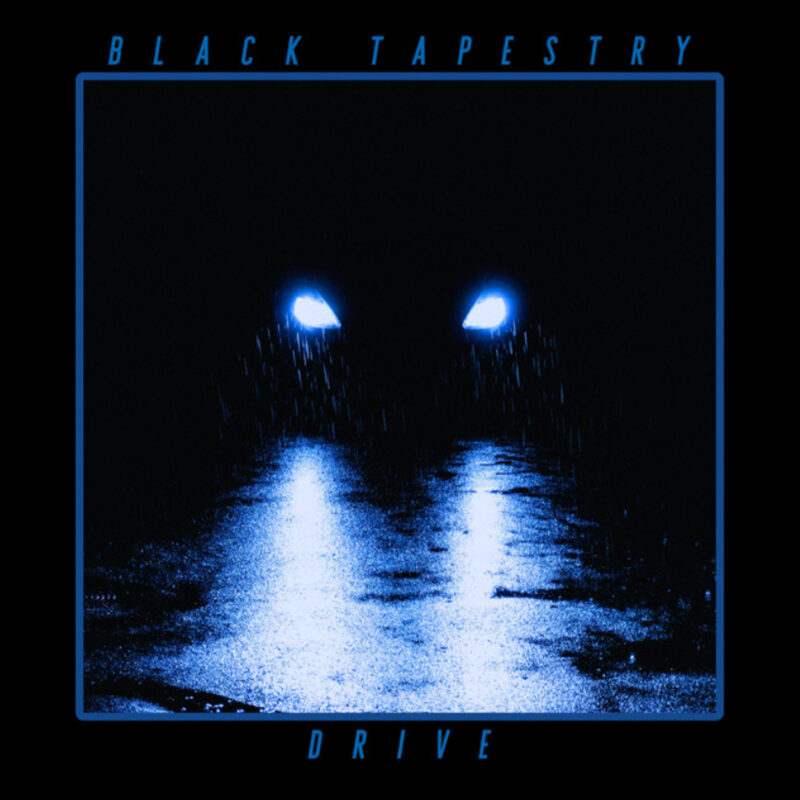
Forty-two years after The Cars released their great electronic elegy for the emotionally exhausted, Phoenix, Arizona post-punk duo Black Tapestry have decided to take Drive out for another spin.
Comprised of longtime collaborators Sisi and Ian, Black Tapestry approach the 1984 classic with considerable affection for its original arrangement. The opening retains that familiar, almost narcotic electronic tenderness, allowing the melody and its uncomfortable questions to settle in. There is something terribly civilized about the way Drive delivers its accusations. Who’s going to pick you up when you fall? Who’s going to pay attention when you’ve finally exhausted everyone willing to help? Ric Ocasek wrote those questions with the precision of a man examining the wreckage of a relationship and finding that the insurance policy expired years ago.
Dreamy vocals and expansive synth pads place Black Tapestry’s version somewhere between a David Lynch film and the Drive soundtrack, bringing synthwave romance into uneasy communion with dream-kissed darkwave. The singing floats above the arrangement, lending a soft, almost sleepwalking intimacy to questions that become more troubling the longer one considers them. All that electronic beauty offers remarkably little reassurance, which is precisely what makes it so effective.
As the arrangement opens up, the synths deepen that cinematic atmosphere, surrounding the familiar melody with a luxurious sense of unease. There is something distinctly Lynchian about such tenderness accompanied by the suspicion that something has gone terribly wrong, as though the song were playing in an empty hotel lounge while a disastrous decision was being made upstairs. The steady electronic rhythm carries everything forward while the vocal seems suspended in the moment before someone finally says goodbye.
Black Tapestry preserves the original’s most uncomfortable truth, giving its affection and exhaustion room to inhabit the same beautiful, unsettling space. The dreamy delivery makes the limits of devotion sound almost inviting, until the meaning catches up with the melody.
If nobody’s coming to drive you home, there is still the peculiar consolation of a song that understands why you haven’t left.
Listen to Drive below:
Black Tapestry have accumulated considerable experience in the fine art of making personal and political anxiety sound entertaining. Having spent nearly two decades playing together across anarcho folk-punk, metal, and electronic projects, Sisi and Ian formally established the duo in late 2021. Their 2022 debut, Monsoon, subsequently received the self-remixed Monsoon Revamped treatment, while their second studio album, OUTSIDE, expanded their particular brand of electronic unease.
Their latest concept album, COMPARTMENTAL ILLNESS, explores fractured identity, surveillance culture, and psychological dissonance, subjects sufficiently unpleasant to suggest that Black Tapestry have little interest in writing cheerful songs about uncomplicated relationships.
The accompanying B-side, KC25, revisits one of their earliest compositions, offering another opportunity to examine their musical past through their present sensibilities.
Follow Black Tapestry:
The post Arizona Duo Black Tapestry Takes The Cars’ “Drive” out for a Dreamy Darkwave Spin appeared first on Post-Punk.com.