 |
| Photo Cr. ZEXIN // Blacklight Global Entertainment |
Written, produced and directed by Herman Yau | Starring Patrick Tam, AK (Anson Kong), ANSONBEAN
Hong Kong, 2026 | 128 min | Cantonese with English subtitles | Not yet rated
| U.S. release by Blacklight Global Entertainment
Content warnings: This film and review contain references to graphic violence, descriptions of child abuse, and self-harm.
On Valentine’s Day 2025, a double-decker bus explodes on a busy Hong Kong
street. We’re Nothing at All starts as a forensic procedural takes a
deeper dive. The question shifts from who did this to what would push two
people to it.
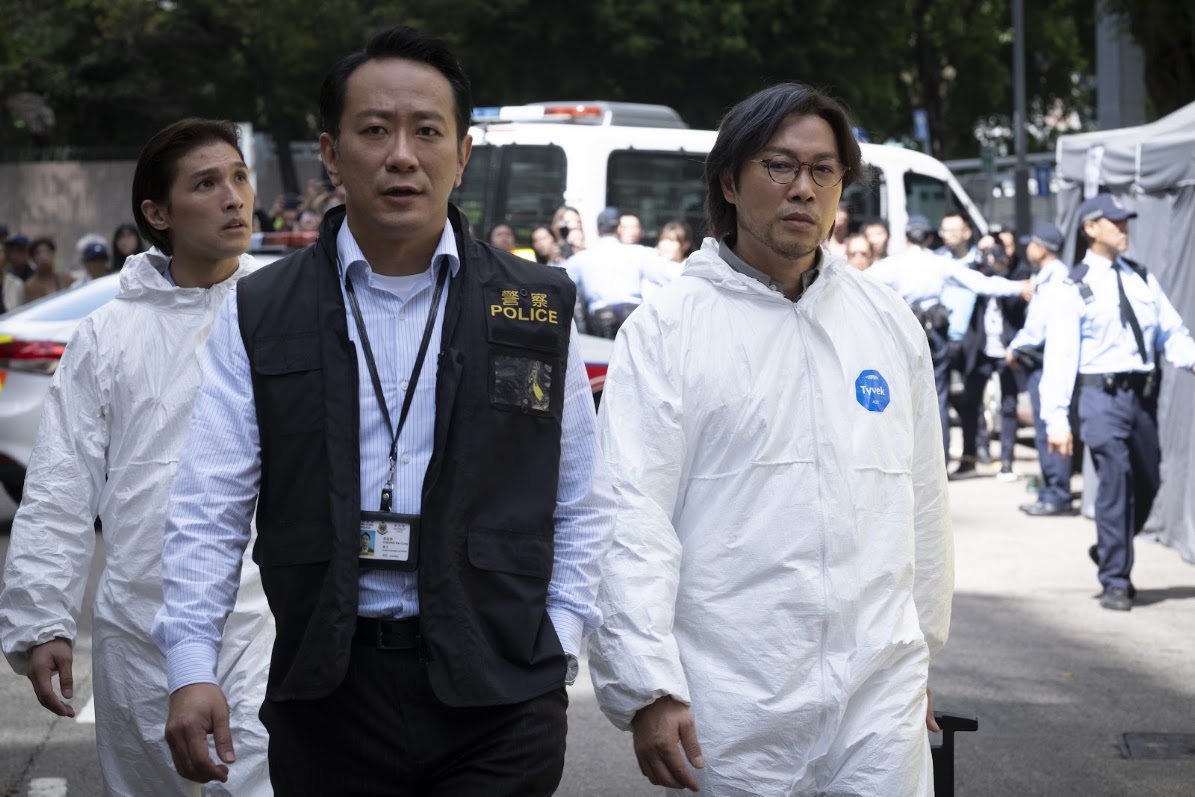
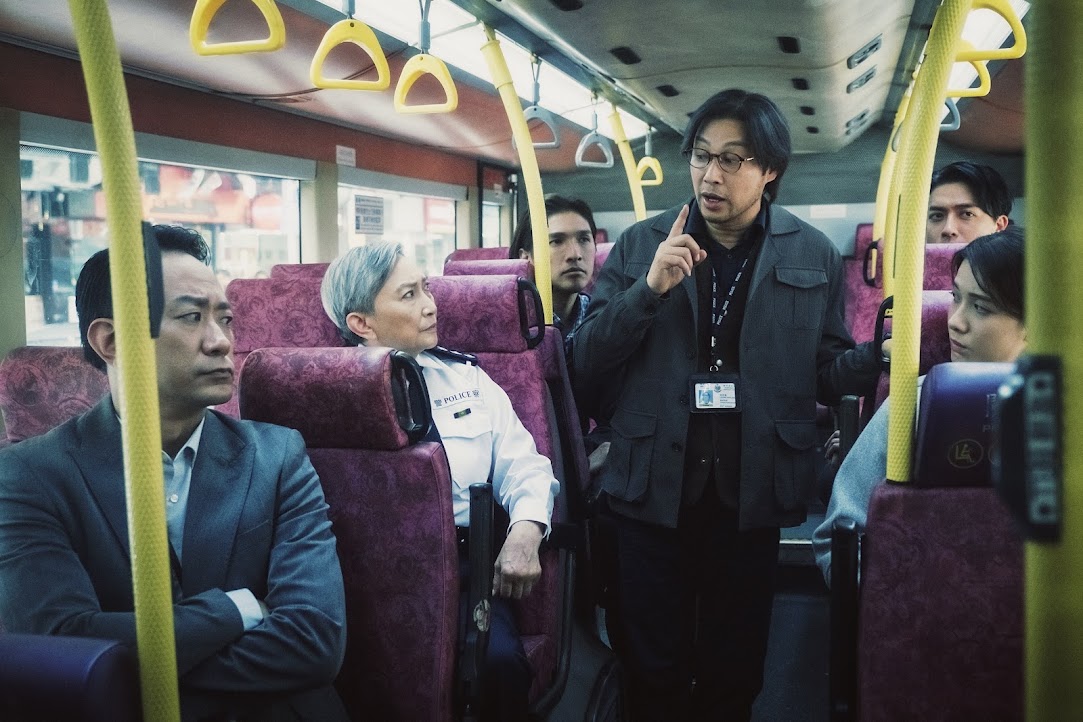
Retired forensic expert Lung Sir (Patrick Tam) is called back to investigate. The evidence points to two passengers: construction worker Fai (AK) and painter Ike (ANSONBEAN), a gay couple who have lived on the margins of society. Through fragments of evidence and flashbacks, the film reconstructs how poverty, discrimination, family rejection and systemic pressure closed in around them.
The story behind the film matters. This is the first project in Herman Yau’s 40-plus-year career that he financed himself, with roughly HK$8 million of his own savings. Yau is best known for Category III shockers like The Untold Story and Ebola Syndrome, and for big-budget co-productions like the Shock Wave series. Here he wanted a “pure Hong Kong film” that couldn’t be released in mainland China and didn’t have to pitch a marketable hook to investors.
You can feel that freedom on screen. The film has no interest in being likeable. It is angry, unsparing, doesn’t shy away from hard conversations, and willing to sit in uncomfortable places. It is inspired by a real case, the 1998 Valentine’s Day bus bombing in Wuhan, which Yau relocated to contemporary Hong Kong and filled with local grievances: subdivided flats, unpaid wages, vacant market stalls, police clearing street performers. A veteran of both exploitation cinema and mainstream blockbusters, Yau, who also holds a doctorate in cultural studies, brings both sensibilities here: the sensory punch of his genre work and the social conscience of his academic side.
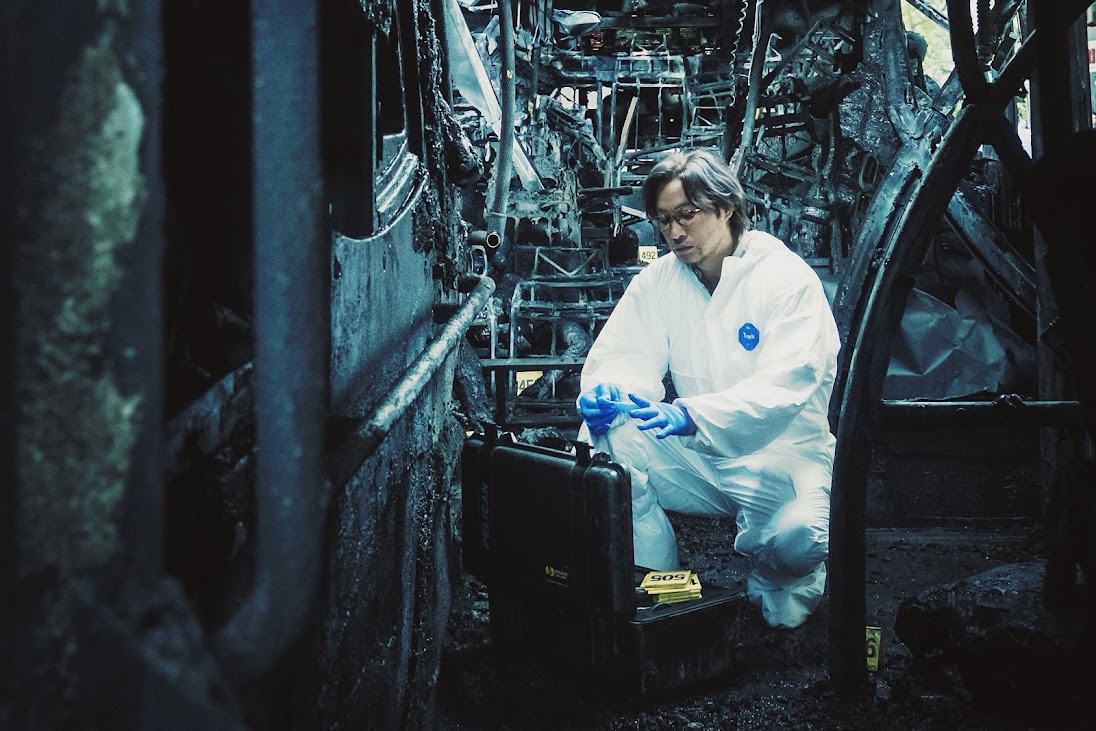
Patrick Tam’s Lung Sir is an effective entry point. He is a former police
forensic specialist who helped solve numerous major cases before being pushed
into early retirement after an incident. Six years later, the severity of the
bus bombing brings him back out of being one of the best in his field. As he sifts through the wreckage, he finds himself
revisiting a chapter of his own past.
Lung Sir gives the film its procedural spine, but his more interesting function is thematic. He is another person an institution has set aside, and he pieces together the lives of two people the system also discarded. Tam, a veteran of Hong Kong cinema, plays the investigator with a quiet forcefulness, which is a useful counterweight to the raw emotion of the flashbacks.
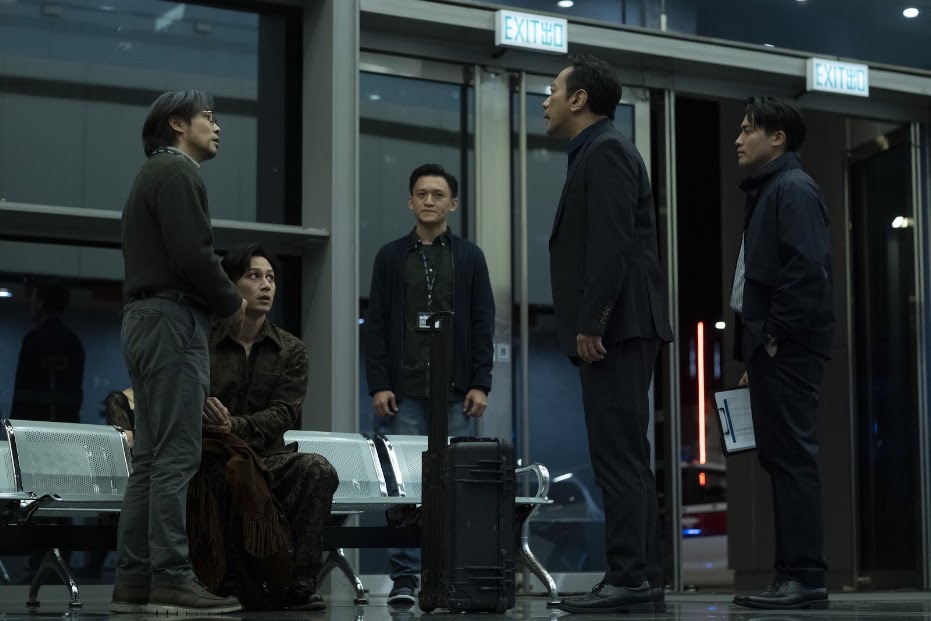
AK plays Fai with weary, stubborn toughness. In the film’s best sequence
of working-class defiance, a government construction project fails to pay its
workers on time, the crew goes on strike, and one by one the others give up
until Fai is the last man standing up for himself. His dignity is real, but it
counts for almost nothing against an indifferent system, and that is the film’s
argument in miniature.
ANSONBEAN, who dropped a significant amount of weight for the role, makes
Ike’s fragility feel earned rather than performed. Both young actors shed their
idol personas here, and it’s easy to see why Yau trusted them. These are not the
typical flattering roles, and neither actor plays for sympathy.
The film’s most effective move is making us fall for Fai and Ike before we fully understand what happened. It is a bit of a tragic love story told in reverse—we are greeted with the aftermath first. Their meet-cute is Ike, an artist falling for Fai while drawing him play basketball. That relatability makes everything after it hurt more.
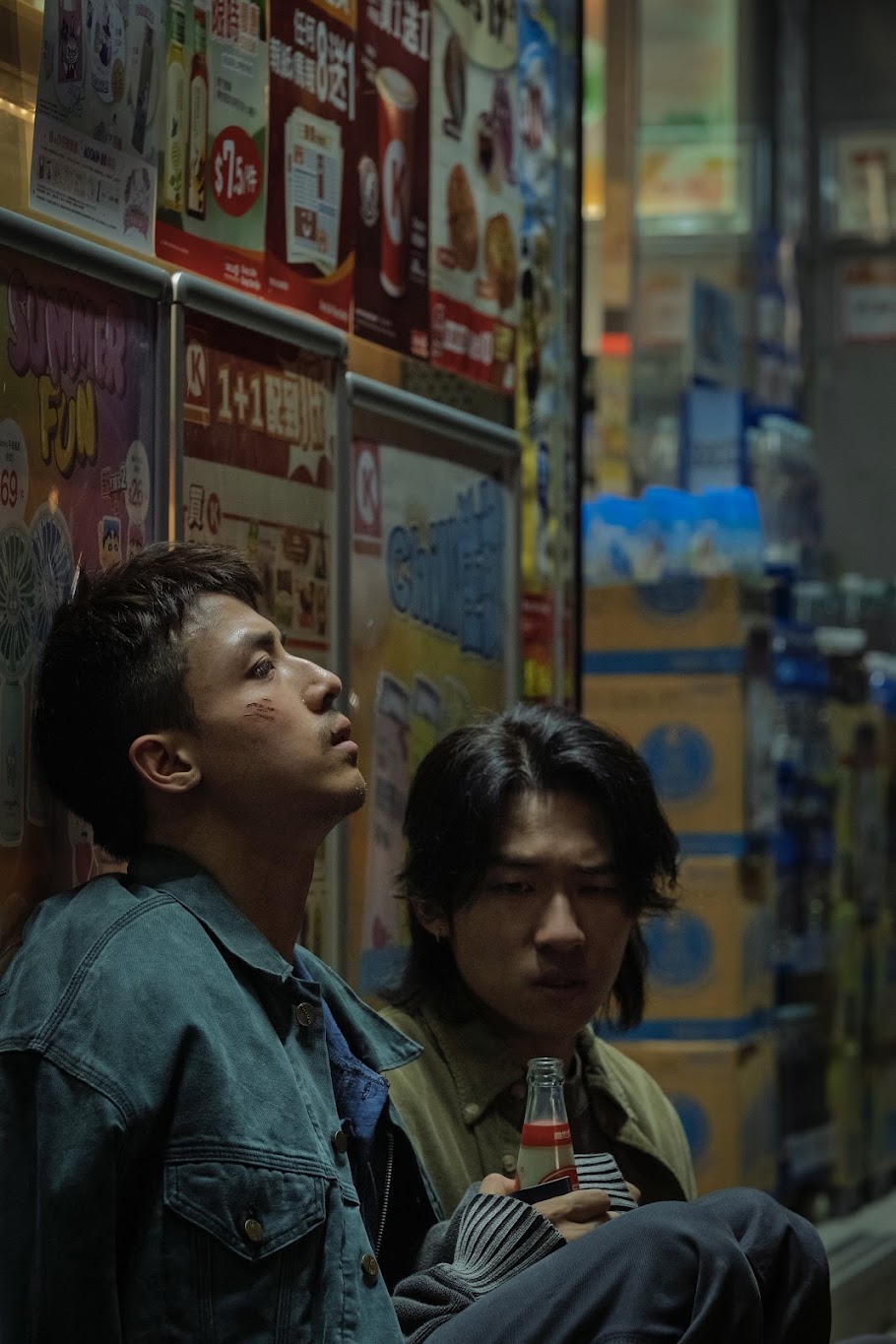
Cinematographers Mandy Ngai and Derek Siu often keep the camera right
behind the characters, following them as if we were another participant in the
scene. It makes the flashbacks feel immediate and puts us inside the couple’s
anxiety instead of observing it from a distance.
That closeness also lets us feel how affectionate Fai and Ike are with
each other. They hold hands and kiss in public, openly and without apology, in
a city that has given them little reason to feel safe doing so. These small,
unguarded gestures make the couple feel real, and they make the hostility they
meet all the more painful.
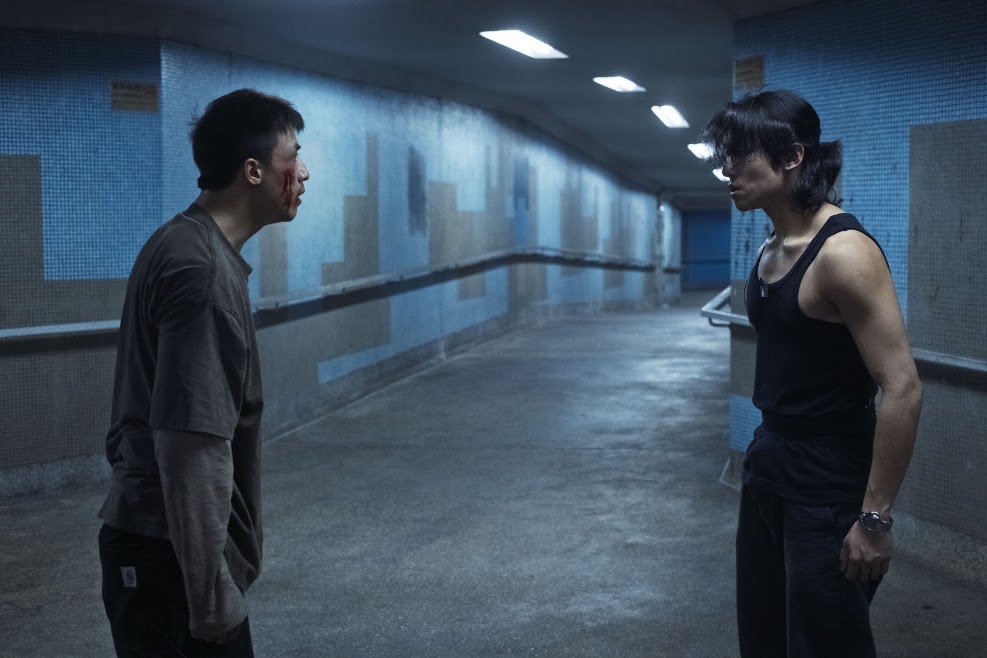
The film also knows how to use emptiness. Several sets feel desolate and
lonely in a way that says more than dialogue could. A wet market scene, where
Fai confronts his father, is stripped of the bustle you’d expect, so the
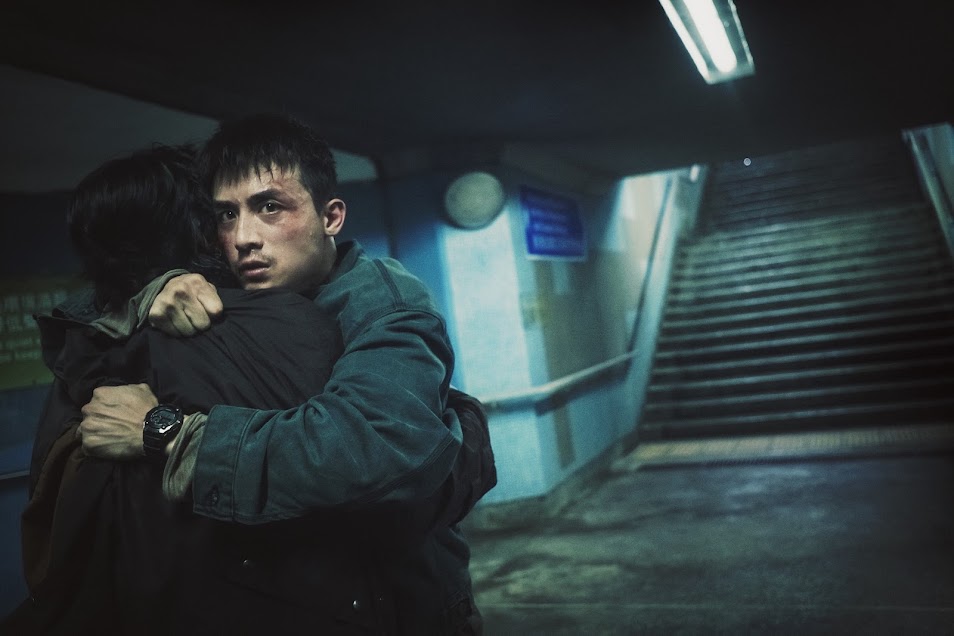
confrontation feels exposed and isolating. Even more affecting is an empty
subway after Fai and Ike fight, following an ugly experience of homophobia in a
restaurant. When they hug it out in that vacant space, it feels like they are
the only two people in the world, which is both what love looks like under the anguish
in which their society has forced on them.
The bus explosion investigation is the other technical highlight. The
elaborate, intense sets and props make the forensic reconstruction feel serious
and grounded, and it is clear where Yau’s budget went.
Small details carry weight too. Ike receives a limited-edition watch as a
gift from Andrew, a befriended escort, and it nods to the late J-rock icon
Hide. It isn’t a throwaway reference. The watch is a recurring device that the
film keeps returning to, and it helps put the pieces of the investigation
together.
An emotional peak for me involves Fai’s mother in particular, the scene
is short, but raw and hit me hard. The script also pulls clever misdirects that
keeps the investigation unpredictable.
We’re Nothing at All uses the bomb-investigation structure to ask who pays when a society
refuses to make room for people. Yau only wanted to say what he truly meant,
and that conviction shows. He frames the film around collective responsibility,
the idea that when an avalanche comes, no snowflake is innocent, and he
offers questions instead of answers.
It is bleak, often brutal, and at times hard to watch, but the dedication
and the committed performances give it real heart. Viewers who can handle the
subject matter, particularly fans of Hong Kong cinema, will find a film that
stays with them.